Life
Jennifer Howell And The Creative Community Built By Art Of Elysium
Jennifer Howell founded The Art of Elysium to bring artists into spaces of need, and over time, it grew into a community that keeps showing up.
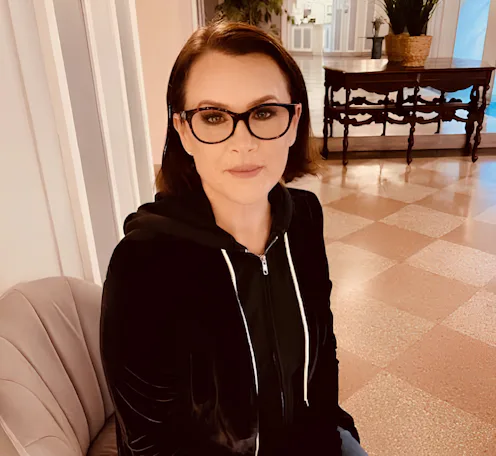
Hollywood has a strange relationship with generosity. People help each other all the time, but often within the natural rhythm of the industry itself. It might be as simple as someone introducing a writer to a producer or a friend getting another friend into a room. Careers often move forward through connections that can feel deeply meaningful in the moment, even if many eventually disappear into the next project or production cycle. Jennifer Howell spent nearly three decades building relationships in Los Angeles around something else entirely, and over time, they seem to have developed a different kind of staying power.
The Moment That Started It
When Howell founded The Art of Elysium in 1997, the idea wasn’t to build a celebrity organization or create another philanthropic circle that revolved around fundraising dinners and famous names. The organization grew out of a far more personal moment. Early in her own film career, Howell returned home to visit a close childhood friend battling leukemia. During the visit, her friend told her that if she wanted to help people experiencing illness, she should do something for children in hospitals who did not have anybody. Howell carried the idea with her, and over time, it became the foundation for something much larger.
Creating With, Not For
What emerged from that conversation was a simple shift in perspective that led to bringing artists into those spaces to create with people rather than simply creating for them, an approach that has remained at the center of The Art of Elysium ever since. Volunteer artists do not show up to perform for people to watch; they create alongside them and build healing experiences together. What began with children in hospitals gradually expanded into programming that now reaches senior-care communities, shelters, schools, veterans, individuals facing mental health struggles, and communities dealing with displacement or hardship throughout Los Angeles.
Today, the organization reports operating more than 100 community programs every month and serves tens of thousands of people annually, but somewhere along the way, another community began developing around it, too.

A Creative Ecosystem People Return To
Over the years, artists and volunteers became part of the broader Art of Elysium world, joining a creative ecosystem that kept drawing people back over long stretches of time. Their involvement matters not because of celebrity itself but because it reflects something unusual in a city that can sometimes feel built around momentum and timing. People stayed.
Part of that might be tied to the philosophy Howell built into the organization from the beginning. The Art of Elysium has long operated around what it calls a full-circle model, the belief that service itself should not function as a one-way exchange. Artists volunteer their time and creativity, but they are also supported through artist salons, mentorship opportunities, showcases, networking events, financing initiatives, and introductions designed to help creative work continue moving forward.
"What makes The Art of Elysium unique is the full-circle concept," Howell says. "Artists inspire the communities they serve, and service inspires artists to create more meaningful work."
The idea is less transactional than Hollywood often teaches people to be. Relationships are not built around what someone can provide in the immediate moment but rather around repeated acts of showing up. Over enough years, those moments appear to accumulate into something larger.

Why Creativity Matters Here
Howell has often described creativity itself as something far more essential than people tend to treat it. Not a luxury, not simply entertainment, but something fundamentally tied to how people process hardship and connect with one another.
"We can't say art will cure someone's illness," Howell says. "But I can say for certain that when someone is creating, they're in that moment, and they forget everything else. If we are all creating, we can transcend our circumstances and exist in a bigger place."
She sees the relationship as reciprocal in ways that are sometimes easy to miss from the outside.
"The people we serve are the real teachers; they're the angels in this equation," Howell says. "I'm not convinced the people we serve are the ones being helped and instead I think they're helping us."
Nearly thirty years later, The Art of Elysium suggests that paying something forward does not always return in obvious ways. Sometimes it returns as friendships that survive decades, communities that continue expanding, and people who keep showing up long after there is any practical reason to do so. In an industry that often runs on temporary alignment, Jennifer Howell may have quietly built one of the more durable things Hollywood has to offer.
BDG Media newsroom and editorial staff were not involved in the creation of this content.
