Style
What Aurate’s Social Strategy Says About Jewelry Branding Today
How Aurate turned social media into a storytelling platform, using culture, collaborations, and community to shape modern jewelry branding.
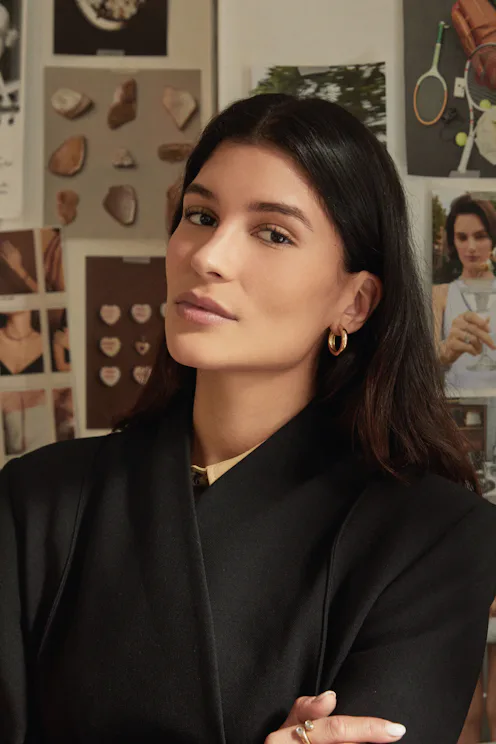
In a digital environment where brands compete through constant content, those that stand out increasingly rely on cultural relevance as a marketing strategy. For New York–based fine jewelry brand Aurate, that has meant shifting away from simply showcasing jewelry and toward building a narrative around culture, identity, and community.
According to Esthefania Diaz, Art Director and Content Strategist, the change was less about reinvention and more about refining the brand’s existing identity.
“We didn’t rebrand,” Diaz says. “We strengthened and formalized an identity that was already there but wasn’t being expressed consistently across digital platforms.”
Social Media As Storefront And Storytelling Tool
Aurate uses social media platforms for purposes that exceed basic marketing needs. The system functions as an operational storefront, an authentic brand voice, and a cultural identity platform. Diaz began her work to discover that the visual content showed strong visual appeal but lacked a central storytelling element.
“The posts were beautiful, but they felt episodic,” she says. “There wasn’t a larger storytelling arc.”
Her strategy was to treat Aurate’s social presence less like a catalog and more like an editorial platform. Rather than relying on isolated product imagery, the team began structuring campaigns around broader thematic narratives.
“We introduced campaign thinking, launch sequencing, and platform-specific storytelling,” Diaz explains. “The goal was to create a brand people want to follow — not just shop.”
A Shift In Creative Direction
This shift changed how Aurate presents its collections. Earlier content leaned toward minimalism and product clarity. More recent campaigns frame launches through themes such as modern womanhood, heritage, New York culture, and seasonal storytelling.
“Before, it was refined and product-focused,” Diaz says. “Now it’s more storytelling-driven and culturally aware.”
The production of campaigns has changed because of this shift. Social media now functions as a fundamental part of creative work, which develops from the beginning. Aurate now presents its jewelry through complete storytelling, which includes inspiration, craftsmanship, and emotional connections. The brand uses its social media feed to create a unified brand narrative by connecting its individual posts, reels, and product launches.
Growth Through Collaboration
According to Aurate, the strategy contributed to steady audience growth throughout 2025, with reach increasing consistently month over month and rising several times above earlier levels at its peak.
Engagement followed a similar upward trend. According to Aurate, social media engagement also trended upward, reaching one of its highest levels during a notable collaboration campaign. The brand says reach also saw notable month-over-month gains during that period.
Diaz attributes that momentum to a combination of narrative depth, social-first production, and strategically designed collaborations.
“In a saturated digital environment, attention often comes from the unexpected,” she says. “But the collaborations that resonate most are the ones that connect emotionally with communities that already exist.”

Turning Events Into Content
The collaboration with a heritage tennis brand illustrates this approach. The partnership tapped into the resurgence of “tennis-core” aesthetics while maintaining the brand’s luxury positioning.
The rollout included teaser content, layered storytelling, and an oversized tennis bag installation moving through SoHo. The installation functioned both as a physical activation and as a source of organic social content.
“It became an organic content engine,” Diaz says. “People were curious, they photographed it, and the attention grew naturally.”
For Diaz, however, the most important outcome was not the spike in metrics. It was, instead, the sense of participation that the campaign created with the audience.
“We approach physical events the same way we approach social campaigns,” she says. “Teasers, behind-the-scenes preparation, product previews, and human moments.”
Why The Story Matters
By the time the event takes place, followers already feel involved. This philosophy informs how Aurate launches new collections, treating each release as part of a broader narrative rather than a standalone product drop.
The brand’s Candy Heart Charms collection, for example, was positioned as “modern love notes,” drawing inspiration from the 19th-century conversation hearts and presenting the pieces as wearable messages rather than seasonal accessories. In another campaign, Aurate drew inspiration from a necklace belonging to the brand founder’s grandmother, using the story to explore themes of generational influence and inherited style.
“Instead of just launching jewelry, we ask a bigger question,” Diaz says. “Why does this piece exist right now?”
In Diaz’s view, that question reflects a broader shift in the jewelry industry. As consumers become increasingly selective, successful branding depends less on aesthetics alone and more on emotional resonance and cultural context.
BDG Media newsroom and editorial staff were not involved in the creation of this content.
