Wellness
4 Reasons To Do A Digital Detox Right Now
Declutter your brain and boost your mood.
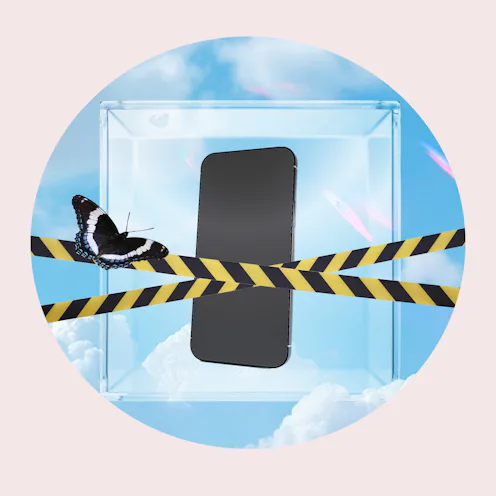
We all know that we should probably spend less time scrolling our lives away. And it’s becoming increasingly difficult to set limits as the world moves at lightning speed toward adding more technology into our everyday life. However, experts agree it’s worth dedicating the time and effort to finding the right digital balance.
As Naomi Dambreville, PhD, licensed clinical psychologist and assistant professor at the department of psychiatry at Mount Sinai, explains it, our digital lives, especially social media, have changed our cognitive and social brain. Some of the many major side effects Dambreville lists include distorting our attention and ability to engage in critical thinking, negatively affecting how we experience gratification, triggering social comparison, and experiencing unhappiness with our appearance and our own life. “Because so much information is accessible, people often encounter what’s popular or ‘trending’ versus what is accurate or meaningful,” she adds. “All of this takes a toll on our mental health.”
“I always tell people that our brains love novelty,” says Thea Gallagher, PsyD, clinical associate professor of psychiatry at NYU Langone Health. “That's not a flaw — it's how we're wired. Every notification, text, email, or new post gives our brain something new to pay attention to, which is one reason it's so hard to put our phones down. The problem isn't one interruption. It's hundreds of tiny interruptions throughout the day.”
Still need convincing? Here are the four main benefits to digitally detoxing your life and decluttering your brain. You won’t regret it once you do.
It Will Boost Your Mood
Your friends posting a group selfie skiing on the Swiss Alps without you; your favorite store posting your ex’s new wife in one of its designer wedding dresses; the 24/7 news cycle of constant heartbreaking world events — excessive social media use can certainly worsen your mood.
Gallagher says that constant notifications and information keep our brains anticipating what’s next instead of staying present in the moment. While it’s important to stay informed, this may leave people feeling scattered, mentally cluttered, and emotionally drained over time. She adds that it can also increase stress and anxiety when you’re constantly comparing yourself to these curated versions of other people's lives or taking in an endless stream of emotional information. “What people don’t always realize is that all of that input keeps our nervous system slightly activated, making it harder to feel truly settled,” she says.
So when you put the phone down, you will notice that you’ll feel calmer and more present. “When we aren't scrolling, we're naturally making more room for behaviors that support mental health: going for a walk, having a real conversation, reading, exercising, or simply noticing what's happening around us,” she says.
It Will Improve Brain Function
Gallagher says that if we’re only paying attention because we’re multitasking or checking our phones every few minutes, we’re less likely to store information in the long-term. “Often it’s not that our memory is getting worse; it’s that our brain never had the opportunity to fully encode the information in the first place. When we rely on our phones for directions, storing phone numbers, scheduling appointments, or setting reminders, she says we’re doing what is called “cognitive offloading,” which makes us exercise our own memory less.
The art of “doing nothing” and not looking at a screen are important for both our memories and creativity, she adds. “One of the biggest benefits is simply giving your brain a chance to breathe,” says Gallagher. “When we're constantly consuming information, our brains rarely get an opportunity to slow down and process everything we've taken in.”
It Will Help Regulate Sleep
Who among us hasn't accidentally spent three hours on astrology or recipe TikTok instead of going to bed on time? In fact, a survey done by the American Academy of Sleep Medicine in 2024 found that 93% of Gen Z admitted to staying up way past their bedtime to scroll on their phones. And studies show that social media and cell phone use worsen our sleep quality, which can in turn make us more stressed, irritable, and depressed. By limiting phone use before bed, you keep your sleep schedule undisturbed, and you can get a full night’s rest to function better the next day.
It Will Build Better IRL Connections
Everyone’s talking about the loss of “third spaces,” and our addiction to our phones is a huge reason for that. When we stop living our lives digitally and try IRL experiences, it’s easier to make personal connections. “In real life, experiences are so important to how our brain learns about the world, how we gather information, and how we enhance our personal and social lives,” says Dambreville.
Studies show that building personal connections can not only boost your mood, but it can also lower blood pressure and can help you live longer.
Ways to Limit Screen Time
Again, this is easier said than done. But committing to a plan and staying consistent can help you limit your screen time in the long run. Dambreville suggests a “dopamine menu,” a list of pleasurable activities that can replace the time you would normally spend on your phone. You can try to set a daily limit for yourself (downloading apps that lock your phone for a specific amount of time can help) or put some physical distance between you and your device so you’re not tempted to scroll.
Gallagher recommends creating phone-free windows, like the first 30 minutes of the morning or the hour before bed, or turning off non-essential notifications so your attention isn’t constantly on your phone (fellow “Do Not Disturb” lovers rejoice). The most important part might be reframing how you think about limiting screen time; she says to think of a digital detox as creating space for something rather than taking something away. “The goal isn't deprivation,” she says. “It's giving your brain the opportunity to rest, reset, and reconnect with the people and activities that matter most.”
Studies Referenced:
Tanil, CT., Yong, MH. (2020) Mobile phones: The effect of its presence on learning and memory. PLoS One. 2020 Aug 13. https://pmc.ncbi.nlm.nih.gov/articles/PMC7425970/#sec026
Pirdehghan, A., Khezmeh, E., Panahi, S. (2021) Social Media Use and Sleep Disturbance among Adolescents: A Cross-Sectional Study. Iran J Psychiatry. 2021 Apr. https://pmc.ncbi.nlm.nih.gov/articles/PMC8233562/#sec5
Martino, J., Pegg, J., Frates, EP. (2015) The Connection Prescription: Using the Power of Social Interactions and the Deep Desire for Connectedness to Empower Health and Wellness. Am J Lifestyle Med. 2015 Oct 7. https://pmc.ncbi.nlm.nih.gov/articles/PMC6125010/
Experts:
Naomi Dambreville, PhD, licensed clinical psychologist and assistant professor at the Department of Psychiatry at Mount Sinai
Thea Gallagher, PsyD, clinical associate professor of psychiatry at NYU Langone Health
Presented by BDG Studios
