Wellness
Why A Support System Is Everything When You’re Living With Vitiligo
Vitiligo is visible. The hardest part usually isn’t.
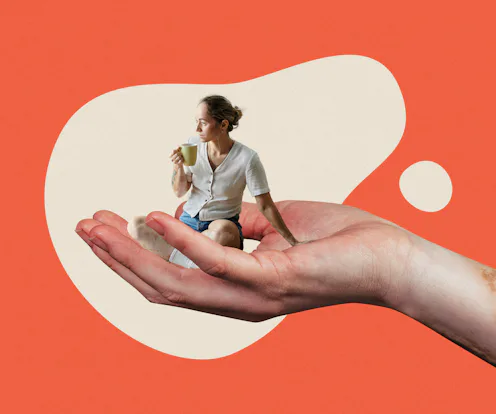
For a visible condition, vitiligo is easy to misunderstand from the outside. There’s no pain to point to or fatigue to explain. Often, there’s a quieter weight — the anticipation of being looked at, the bracing before a question, the constant gauging of how visible you feel that day. The thing that helps most? It isn’t a product or a fix. It’s people.
“Living with any chronic condition comes with a unique emotional toll that, unless you’ve experienced it yourself, you won’t quite get," says Kirsty Corvan, a UK-based therapist specializing in chronic conditions, who was recently diagnosed. Fear of the unknown and uncertainty about how a condition might progress create their own kind of fear.
What People Don’t See
Part of what makes vitiligo isolating is precisely what makes it look manageable to everyone else: It doesn’t hurt. “There are no physical symptoms with the depigmented skin of vitiligo,” says Dr. Purvisha Patel, board-certified dermatologist and Mohs and cosmetic surgeon. What drives the psychological impact isn’t the body surface area affected, she explains, but the visible surface area, with the face and hands carrying the heaviest emotional load.
That invisibility breeds a particular kind of guilt. “The inner critic gets loud, like you shouldn’t be struggling because at least it doesn’t hurt,” Corvan says. “That voice is worth challenging because you’re allowed to grieve something that others might consider cosmetic.”
Adjustment Isn’t A Straight Line
There’s a myth that once you find acceptance, it sticks. In reality, it comes and goes. “Some days you feel okay about it and other days, you might feel like it’s the end of your world," says Corvan. “One of the most compassionate things you can do for yourself is to stop expecting the process to follow a straight line.”
That ebb and flow is normal and worth making room for, says psychotherapist Brianna Paruolo. “We don’t know good days without knowing the bad ones,” she notes. “Making the space for the full human experience is healthy as well.”
The Right Support Changes Everything
Here’s the part people miss: Having support and having the right support are not the same thing. “A mismatched support network can end up with you feeling more isolated than if you’d had no support, because you end up spending energy managing other people’s responses instead of processing your own feelings,” Corvan says.
The most common misfire is well-meaning, relentless positivity. Paruolo offers a metaphor for the alternative. Imagine a spiral staircase, she says: You can only see the light at the top once you start climbing, but many people with chronic conditions are stuck on the first step. “Our jobs as support systems aren’t to feed toxic positivity stories; it’s to meet someone where they’re at.”
What Good Support Looks Like Day To Day
For Natalie T., who has lived with vitiligo since 2009, support is quieter and more practical than people might expect. Before an important meeting, she’ll ask her husband or a close friend whether they can notice the patches on her face. “Sometimes just having someone reassure me that it isn’t as obvious as I think can make a real difference,” she says.
The need for that reassurance isn’t abstract. Natalie remembers someone commenting on her vitiligo during a Zoom meeting, guessing it might be sunburn. It’s the kind of moment that captures how the condition can recede for stretches and then surface without warning. And it shapes how she thinks about others’ reactions: “There’s a huge difference between showing genuine curiosity and simply being insensitive,” she says. “Comments about someone’s appearance can affect them far more than you might realize.”
Then there’s the ability to actually ask for support. “If the people in your life don’t know what you need, they can’t deliver it,” Corvan says. “Feeling empowered to name what you need invites connection and support rather than pushing your loved ones away.” Patel likes to give patients language for the world: A simple, ready phrase to explain the condition to anyone who seems wary, and a pointer toward community so they know they aren’t alone.
Where To Find Connection
If real life feels too exposing at first, smaller entry points help. “Connection doesn’t have to start big,” Corvan says. Online communities “are a great starting point, not a lesser option,” she stresses. Communities such as MyVitiligoTeam, the Global Vitiligo Foundation, and VITFriends offer a softer way in, as do Reddit threads, Facebook groups, and simply following people with vitiligo on Instagram.
That sense of belonging is the whole point. “Knowing you’re not alone is one of the biggest strengths you can have when it comes to mental health,” says Paruolo. The support doesn’t have to be elaborate to count, she notes; what matters is asking the person what they need, then being honest about what you can realistically give.
“Just Let Me Be Sad”
Ask Corvan about the best support she’s received, and the answer is disarmingly simple. “The best support I’ve received was just having someone let me be sad — not try and cheer me up,” she says. “I needed to just work through my difficult emotions.”
It’s a small thing to ask and a hard thing to offer, that willingness to sit with someone in the discomfort instead of rushing to fix it. But it may be the truest measure of a support system — not how quickly it can talk you out of what you feel, but how fully it can let you feel it.
Presented by BDG Studios
