The SPF Edit
The Face Sunscreens That Won’t Make You Hate SPF
Your editor-approved guide to the best formulas of 2026.
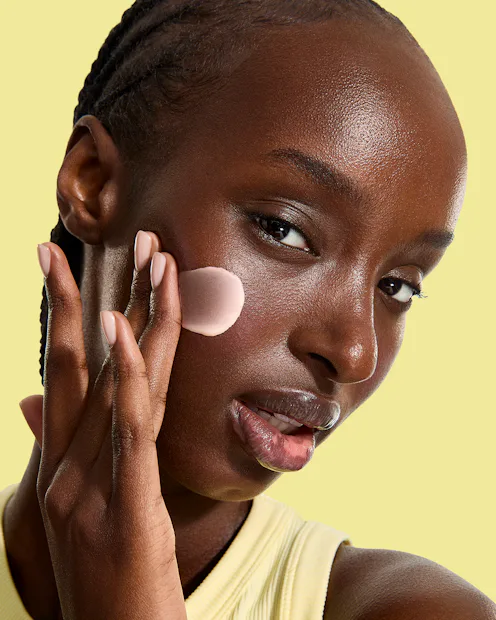
If you don’t like the SPF you’re applying, you’re not going to use it — no matter how important you know it is. Common sunscreen complaints include pilling, streaky white casts, a greasy finish, and a heavy feeling on the skin, none of which exactly make you want to reapply.
Put simply: People want sunscreen that’s comfortable enough for daily use and wears well under makeup. Thankfully, there are plenty of formulas designed to do just that, including lightweight options like Innisfree’s Daily UV Defense Sunscreen SPF 50+.
Whether you’re looking for a budget SPF, a nongreasy formula, or extra hydration, there’s an option for you. Keep scrolling for the best face sunscreens for 2026, as curated by Bustle’s beauty team.
What to Look For In A Face Sunscreen
- Broad-spectrum SPF 30 or higher: SPF measures protection against UVB rays, while broad-spectrum formulas protect against both UVA and UVB rays.
- The right texture: Look for a formula that feels comfortable and fits into your routine.
- Noncomedogenic: This means the formula is designed not to clog pores.
- Makeup compatibility: Look for an SPF that layers well with your makeup.
Top Face Sunscreens Of 2026
1. Best Overall For Daily Use Under Makeup: Innisfree Daily UV Defense Sunscreen Broad Spectrum SPF 50+

This K-beauty formula from Innisfree proves that SPF 50+ protection can feel weightless. It’s nongreasy and nonpilling, and it leaves no white cast, while cica and green tea provide added hydration. The glowy formula works on both your face and body, too.
- SPF value: 50+
- Price: $32
- Key ingredients: cica, green tea
- Texture: lightweight liquidlike cream
- Best for: comfortable everyday wear under makeup
2. For A Budget-Friendly SPF: E.l.f. Cosmetics Suntouchable Invisible Sunscreen SPF 35

This drugstore buy is a clear, water-resistant gel that’s fragrance-free, and it doubles as a makeup primer. At $15, it's an easy pick for budget-conscious SPF shoppers.
- SPF value: 35
- Price: $15
- Key ingredients: meadowfoam seed, aloe
- Texture: light, velvety clear gel
- Best for: budget-friendly SPF
3. For Dry Skin: EltaMD UV Daily Hydration+ SPF 50

EltaMD combines SPF 50 with hyaluronic acid and antioxidants in this formula for serumlike hydration, making it a great pick for dry skin.
- SPF value: 50
- Price: $45
- Key ingredients: hyaluronic acid, zinc oxide
- Texture: transparent, serumlike liquid
- Best for: anyone who needs a hydration boost with their daily coverage
4. For Lightweight Coverage: Byoma Ultralight Face Fluid SPF 50

This Byoma fluid blends easily into skin for comfy, lightweight protection. It also contains astaxanthin and hyaluronic acid for added skin benefits.
- SPF value: 50
- Price: $19.99
- Key ingredients: astaxanthin, hyaluronic acid
- Texture: fluid
- Best for: super lightweight sun protection
5. For Sunscreen Beginners: Paula’s Choice Ultra-Light Daily Hydrating Fluid SPF 30

With a barely there finish and noncomedogenic formula, this Paula’s Choice pick makes daily SPF feel effortless.
- SPF value: 30
- Price: $18
- Key ingredients: green tea, goji fruit extract, grape seed extract
- Texture: a light, shine-free fluid
- Best for: a fuss-free, beginner-friendly sunscreen
6. For Breakout Prone Skin: Dermalogica Clear Start Clearing Defense SPF30

If you have acne-prone skin, look for an SPF with a matte finish to minimize shine. This one is designed for oily and blemish-prone skin, with a cloudlike, nongreasy finish.
- SPF value: 30
- Price: $30
- Key ingredients: vitamin C, green tea, tapioca
- Texture: lightweight
- Best for: blemish-prone skin types
7. For Added Anti-Aging Benefits: La Roche-Posay Anthelios UV Correct Face Sunscreen SPF 70

Daily sunscreen helps defend against signs of aging, and this formula also contains niacinamide to help brighten dark spots and support smoother-looking skin.
- SPF value: 70
- Price: $40
- Key ingredients: niacinamide, vitamin E, senna alata
- Texture: lightweight lotion
- Best for: anyone looking for added anti-aging benefits
8. For Tinted Coverage: Dr. Jart+ Premium Korean BB Cream Tinted Moisturizer With SPF 30

This tinted moisturizer combines SPF with hydrating ingredients and buildable coverage. Layer it for a natural-looking glow or a more foundationlike finish.
- SPF value: 30
- Price: $50
- Key ingredients: niacinamide, glycerin
- Texture: balm
- Best for: mild to buildable coverage
9. For Mineral SPF: Colorescience Total Protection No-Show Mineral Sunscreen SPF 50

Mineral sunscreens have a reputation for leaving a white cast, but newer formulas have come a long way. This Colorescience option blends into skin without a noticeable white cast.
- SPF value: 50
- Price: $50
- Key ingredients: bisabolol, silver ear mushroom extract
- Texture: lightweight milky elixir
- Best for: invisible mineral-based coverage
How To Apply Sunscreen So It Actually Works
- Use the right amount: For your face, neck, and ears, you’ll need about 2 finger-lengths of sunscreen. For your entire exposed body, you’ll need roughly 1 ounce.
- Apply in the correct order: Apply your SPF after moisturizer and before makeup. A lightweight formula like Innisfree’s Daily UV Defense Sunscreen SPF 50+ is designed to layer cleanly beneath your base.
- Don’t forget reapplication: Reapply every two hours when outdoors, with more frequent reapplication after swimming or sweating, based on the product’s water-resistance directions.
How To Wear Sunscreen With Makeup
- Consider the formula. If your makeup tends to pill over sunscreen, try formulas with similar bases.
- Let it dry: Wait for your sunscreen to fully dry before applying makeup.
- Pat, don’t rub: When reapplying over makeup, gently pat sunscreen onto the skin.
Mineral Vs. Chemical Sunscreens
Choosing a mineral or chemical sunscreen will depend on what you want out of your SPF and your skin type.
- Mineral sunscreens: Use zinc oxide and/or titanium dioxide, and they can sometimes leave a white cast, though newer formulations are designed to minimize it.
- Chemical sunscreens: Have organic UV filters such as avobenzone, and they tend to have lightweight, transparent finishes.
- Bottom line: The best sunscreen is one that offers broad-spectrum protection and feels comfortable enough to use every day.
FAQ
Do I need SPF 50 or is SPF 30 enough?
The American Academy of Dermatology’s standard baseline recommendation is to wear broad-spectrum sunscreen with SPF 30 or higher, applied daily and reapplied every two hours with sun exposure.
Does sunscreen expire?
Yes, sunscreen can expire. Be sure to check the product label for expiration dates.
Is SPF in my foundation enough on its own?
Typically no. If your foundation contains SPF, make sure to also layer a facial SPF underneath it.
Can hydrating sunscreen replace my moisturizer?
This depends on your skin type and concerns. Talk to your dermatologist if you’re unsure. If your SPF has hydrating ingredients that are already found in your moisturizer, you may be able to skip the moisturizer altogether.
As always, this list is a recommendation. If you have a history of skin cancer, melasma, or significant skin sensitivity, talk with a dermatologist about the best sun-protection approach for your individual needs.
