The SPF Edit
The 9 Best Sunscreen Serums For Every Skin Type
All the protection — without the heavy feeling.
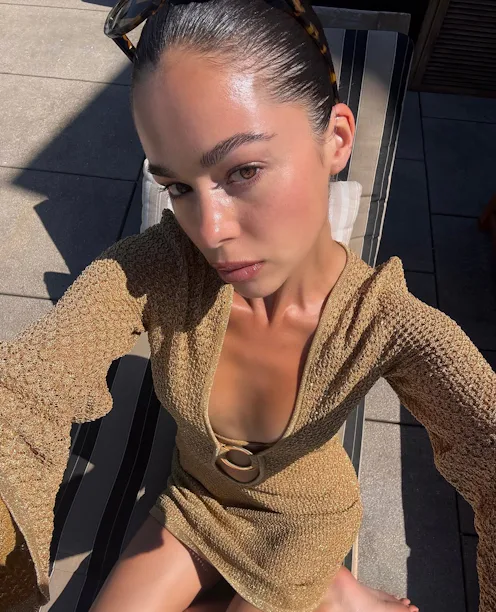
Sunscreen has come a long way from the chalky, heavy formulas of the past. Enter sunscreen serums: lightweight, fast-absorbing formulas that combine sun protection with skin-nourishing ingredients, making SPF feel more like a routine step than a chore.
Unlike traditional lotions, serum formulas tend to have thinner, more fluid textures, making them appealing if you hate a greasy finish, wear makeup, or don't like sunscreen sitting on your skin. And lightweight doesn't mean less protection: The American Academy of Dermatology recommends broad-spectrum, water-resistant SPF 30 or higher, and that applies to serums, too.
Ahead, the best sunscreen serums of 2026 for every type of routine, with Innisfree's SPF serum taking the top spot for its lightweight texture and easy everyday wear.
How To Pick A Sunscreen Serum For Your Skin & Routine
- Skin type: Oily or acne-prone? Look for a non-comedogenic label, which means the product has been designed to not clog your pores. Dry skin? Seek hydrating ingredients like hyaluronic acid.
- Makeup compatibility: Choose one that layers easily without pilling.
- SPF level: The AAD recommends a broad-spectrum, water-resistant SPF 30 or higher.
- Budget: Serums come at a range of price points.
- Texture: Look for a formula that's comfortable for everyday wear. Innisfree’s Invisible Barrier Sunscreen Serum, for instance, is lightweight and non-sticky.
The 9 Best Sunscreen Serums Of 2026
1. The Best Overall: Innisfree Invisible Barrier Korean Sunscreen Serum

- Price: $20
- SPF level: SPF 47
- Standout ingredient: Green tea
- Best for: Comfortable daily wear under makeup
Innisfree makes a strong case for swapping traditional SPF for something lighter. Its watery, serum-like texture feels weightless, while Jeju green tea and hyaluronic acid add skin-care benefits alongside sun protection, making it an easy everyday pick that layers well under makeup.
2. For Under Makeup: Naked Sundays CabanaClear Water Gel Serum

- Price: $24
- SPF level: SPF 50
- Standout ingredient: Kakadu plum
- Best for: Wearing under makeup
This water-based, silicone-free formula dries quickly and layers easily under makeup, making it a particularly good fit for anyone who wants their SPF to disappear into their routine.
3. For Sensitive Skin: The Ordinary UV Filters Serum

- Price: $19
- SPF level: SPF 45
- Standout ingredient: Ceramides
- Best for: Sensitive skin
This fragrance-free, non-comedogenic formula keeps things simple, with a lightweight, hydrating serum texture that's easy to incorporate into a daily routine.
4. For Budget-Conscious Shoppers: Neutrogena Invisible Defense Face Serum

- Price: $16
- SPF level: SPF 60
- Standout ingredient: Vitamin E
- Best for: Budgets under $20
At $16, this Neutrogena serum is ideal for comfortable daily SPF without blowing your budget. It’s also fragrance-free and non-comedogenic.
5. For Oily Skin: Ilia Sun Serum

- Price: $40
- SPF level: SPF 50
- Standout ingredient: Rhodiola root
- Best for: Oily skin
If your complexion gets shiny throughout the day, this mineral sunscreen serum contains botanicals that help absorb excess oil without adding an unwanted glow.
6. For Dry Skin: Dew Guard Milky Sun Serum Hydrating Sunscreen

- Price: $25
- SPF level: SPF 40
- Standout ingredient: Cica
- Best for: Dry skin
This milky serum combines sun protection with seven forms of hyaluronic acid plus soothing cica, making it a natural fit for dry skin that wants extra hydration.
7. For Anti-Aging: Lancôme UV Expert Supra Screen Invisible Sunscreen Serum

- Price: $50
- SPF level: SPF 50
- Standout ingredient: Niacinamide
- Best for: Added anti-aging benefits
With niacinamide and hyaluronic acid, this serum works double-duty as a sun-protective skin-care step.
8. For Beginners: La Roche-Posay Anthelios UV Air Daily Supercharged Serum

- Price: $40
- SPF level: SPF 50
- Standout ingredient: Cell-Ox Shield Technology, an antioxidant complex
- Best for: Sunscreen beginners
This serum’s lightweight texture plus hyaluronic acid make it an approachable choice for anyone transitioning from traditional sunscreen.
9. For Added Hydration: Bask Suncare Mineral Serum SPF 50

- Price: $49
- SPF level: SPF 50
- Standout ingredient: Allantoin
- Best for: Extra hydration
With glycerin and allantoin, this mineral-based SPF delivers extra hydration in a lightweight serum texture.
How Much SPF Serum To Actually Use (& How Often)
1. Apply generously: For your face, neck, and ears, you’ll need about 2 finger-lengths of sunscreen. For your entire exposed body, you’ll need roughly 1 ounce.
2. Reapply: When you're outdoors, reapply about every two hours and after swimming or sweating, following the product's water-resistance directions.
Sunscreen Serum Vs. Traditional Sunscreen
- Texture: Serums typically have thinner, more fluid textures than traditional creams and lotions.
- Finish: Serums are designed to absorb quickly, which can make them appealing for everyday wear and layering under makeup.
- Skin care benefits: Serum formulas often incorporate ingredients such as hyaluronic acid, niacinamide, or antioxidants alongside their UV filters.
Red Flags To Skip
- “Chemical-free” claims: All cosmetics are made from chemicals, so this isn't a meaningful sunscreen claim.
- No listed SPF: A sunscreen should clearly state its SPF level on the packaging.
- No broad-spectrum labeling: Broad-spectrum protects against both UVA and UVB rays.
FAQ:
Can a sunscreen serum replace moisturizer?
It can, depending on your skin's needs and the formula. If your sunscreen provides enough hydration for comfortable skin, you may be able to skip a separate moisturizer.
Is SPF 30 or 50 actually better?
The AAD recommends SPF 30 or higher. SPF 30 filters about 97% of UVB rays, while higher SPFs filter slightly more. A higher SPF doesn't mean you can wait longer to reapply.
What’s the difference between a face SPF and a sunscreen serum?
The biggest difference is texture: sunscreen serums tend to have a more fluid, lightweight feel, while traditional face sunscreens can come in thicker creams, lotions, gels, or other textures.
As always, this list is a recommendation. If you have a history of skin cancer, melasma, or significant skin sensitivity, talk with a dermatologist about the best sun-protection approach for your individual needs.
