Skin
Lotus Sprout Extract Finally Zapped My Stubborn Post-Acne Marks
Everything you need to know about the skin-brightening botanical.
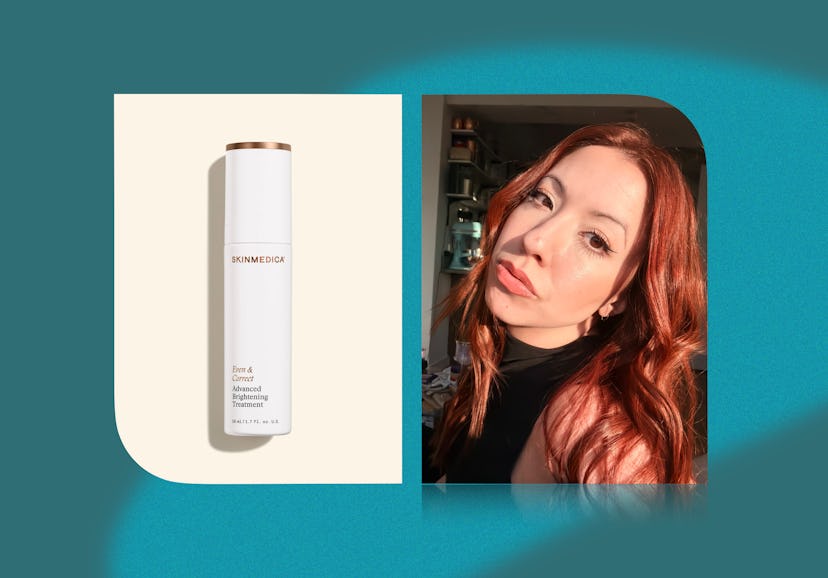
I am officially convinced that labeling acne as a teen issue is part of some huge marketing ploy in order to sell spot treatments. Why? Because I never had more acne than when I was 27 and had to go to the dermatologist to get prescription skin care. Even now in my early 30s, I still wake up with a crater on my face every few months that totally derails my life.
Maybe I’m being dramatic. But still: Anyone who’s ever had a monstrous zit knows that the worst part isn’t even having it on your face — it’s spending the next few weeks trying to get the mark it left behind to fade away.
So after a chin breakout that took over my face in mid-January, I started researching lesser-known ingredients that actually make a difference when it comes to fading post-acne marks. And that’s when I discovered my new hero ingredient: lotus sprout extract.
After doing some digging, I realized this botanical shows up in a surprising number of scar- and dark-spot-fading formulas — so I decided to put it to the test. Ahead, everything to know about lotus sprout extract and how it can fit into your skin care routine.
What Is Lotus Sprout Extract?
“Lotus sprout extract is derived from the young shoots of the lotus plant, which are rich in antioxidants and protective phytonutrients,” explains Dr. Dendy Engelman, MD, FAAD, board-certified cosmetic dermatologist and Mohs surgeon at Shafer Clinic in New York City.
Because sprouts are in an active growth phase, she says they contain concentrated bioactive compounds that help defend the skin against environmental stressors.
When used in topical formulas, plant-derived ingredients like this one can sometimes have an advantage over synthetic counterparts. “Unlike single-molecule drugs such as hydroquinone, botanical extracts are complex mixtures, so their effects tend to be gentler,” says dermatologist Dr. Dara Spearman, MD, FAAD.
Both derms say lotus sprout extract works well as a supportive ingredient for fading acne scars and post-breakout dark spots, especially when it’s paired with other complementary actives like vitamin C and niacinamide. Some research comparing lotus sprout extract to hydroquinone — a well-known but sometimes controversial brightening ingredient — suggests it may offer comparable dark-spot-reducing benefits while being more tolerable for sensitive skin.
Lotus Sprout Extract For Acne Scars
One of the biggest benefits of using a supportive ingredient like lotus sprout extract is that it’s generally very well tolerated, meaning it’s less likely to cause irritation or require any downtime. The trade-off? Results tend to take a bit more patience.
“Dark marks occur when melanocytes overproduce melanin after injury or inflammation,” Spearman explains. “Components in lotus sprout extract have antioxidant activity and can influence tyrosinase, the enzyme responsible for melanin production, helping to reduce excess pigment gradually.”
Its anti-inflammatory properties can also help calm melanocyte stimulation. “This is important because inflammation is one of the key drivers of dark marks,” she says.
That said, if your discoloration or scarring hasn’t improved after a few months of consistent use, Spearman notes that stronger in-office treatments may be necessary.
How To Use Lotus Sprout Extract
As always, start by following the product’s instructions for how often it should be used. But in general, consistency is key — most formulas can be applied once or twice per day.
“Because it’s a supportive antioxidant rather than an exfoliant, it layers well and doesn’t increase sun sensitivity,” says Engelman.
She recommends applying it after cleansing and before heavier creams or oils. In the morning, it should go on before sunscreen, since daily SPF is essential when you’re treating dark marks. (Without SPF, UV exposure can quickly undo progress and cause pigmentation to linger longer.) At night, it can be paired with pigment-correcting ingredients like retinoids or brightening serums to boost results while helping keep skin calm and balanced.
If you have a known plant allergy, it’s best to patch test a new product before applying it to your face.
My Experience

The first product I tried with lotus sprout extract was SkinMedica’s Even + Correct brightening treatment, which targets hyperpigmentation, melasma, and other types of discoloration — including post-acne marks like mine.
I used it as part of my nighttime routine for about a month before I started seeing noticeable results. For me, it worked quickly enough that I didn’t even feel the need to use it twice a day.
Within about three weeks, I realized I had completely forgotten about the scar — which, in the world of skin care, is the best-case scenario. If you’re not thinking about it anymore, that usually means it’s no longer staring back at you in the mirror.
The ultra-concentrated lotus sprout extract in the formula is likely part of what made it work so well for me. As Spearman notes, the botanical’s “activity depends greatly on extraction method and concentration.”
The serum also contains other brightening ingredients, including tranexamic acid to help reduce discoloration and niacinamide, which can help even skin tone while minimizing the appearance of fine lines.
If you’re curious to try lotus sprout extract yourself, these formulas also feature the ingredient.
More Products With Lotus Sprout Extract
The Resurfacing Serum

Fresh’s formula is centered on the skin-boosting botanical, and features a concentrated blend of plant extracts sourced from the entire lotus plant. It’s paired with alpha hydroxy acids (AHAs), which help boost cell turnover so skin cells renew more quickly — a process that can help reduce the appearance of dark spots and discoloration over time.
The Soothing Concoction

With a potent lotus flower fermented concentrate, this formula works to soothe and strengthen the skin barrier. According to the brand, the lotus goes through a 168-hour fermentation process alongside a soothing complex sourced from Jeju Island to help support moisture balance and calm sensitive skin.
The Clarifying Oil

Meet the face oil meant for oily and acne-prone skin types. This elixir combines lotus with rosemary and geranium to help smooth uneven texture while reducing dark spots and boosting hydration.
