Skin
Is It Time For Your Yearly Skin Reset?
'Tis the season for in-office procedures — if you're into that sort of thing.

Remember that inside joke where women would tell men that, during our period, we shed our skin like a snake? Yeah, that punchline might not be entirely a joke anymore.
This month, one video in particular sent the skin care side of TikTok spiraling: A creator, @lipsandlattes, documented her “yearly skin reset,” aka CO2 laser resurfacing treatment — a procedure that uses controlled micro-injuries to stimulate collagen — and then applied a tinted sunscreen over the fresh gridwork of post-laser marks. Naturally, the comment section went into a frenzy.
One user asked, “Now what made you say, let me go put some makeup on?” Another chimed in, “Why are people so afraid of aging?” Mostly, though, people questioned why someone would undergo such an intense procedure in the first place. Was this an example of skin care culture gone too far, or a part of dermatologic care that actually delivers results?
Beyond the tinted sunscreen debate in the comments, the viral video, which now has over 200K likes, points to a larger trend gaining traction right now: the “skin reset.” On TikTok, the phrase has come to mean everything from high-frequency wands to clay masks, dermaplaning, and laser overhauls.
Below, a dermatologist breaks down the skin reset trend — and whether you should be doing weekly maintenance routines, once-a-year intensive treatments, or a combination of both.
What Is A “Yearly Skin Reset”?
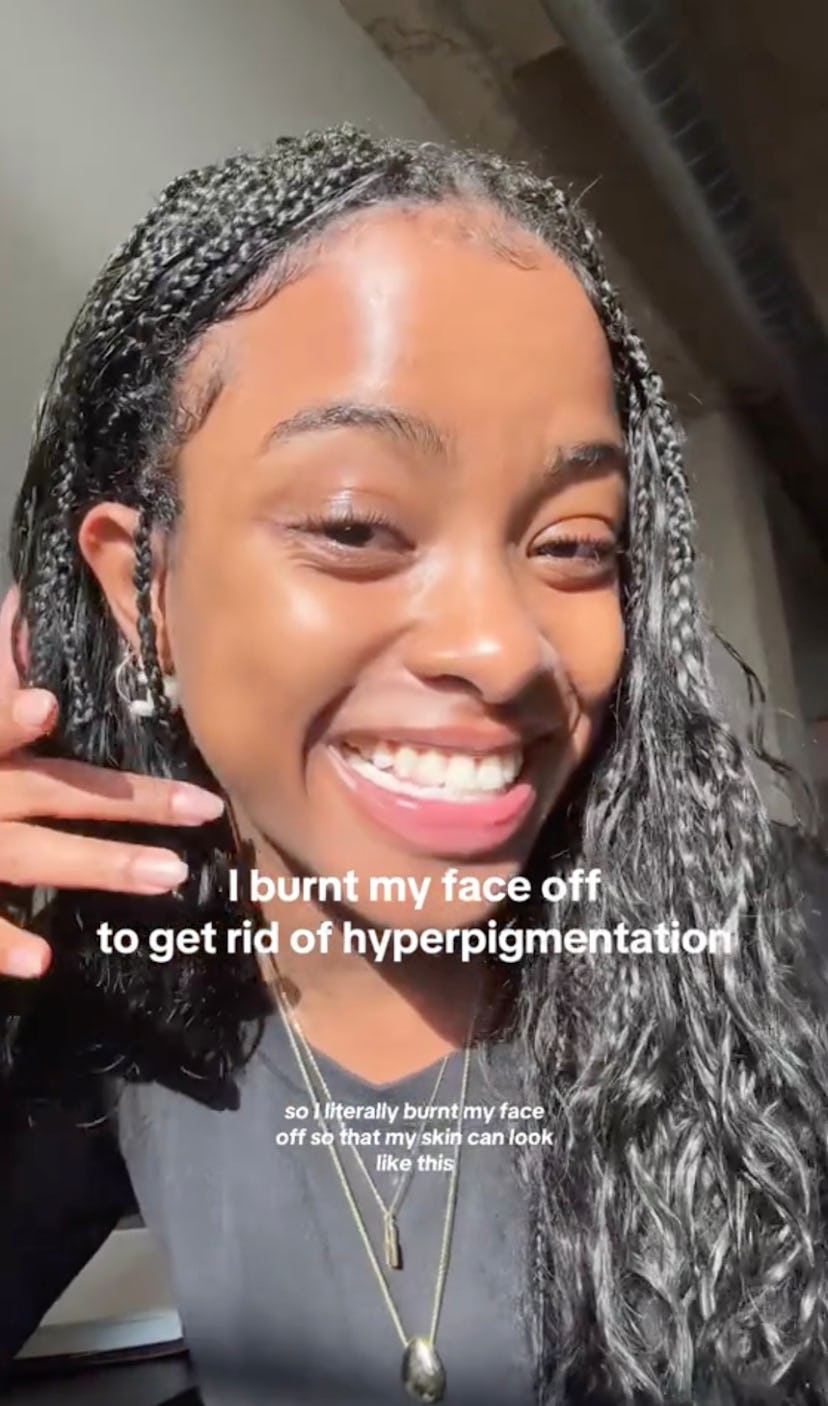
In dermatology offices, the concept of a skin reset isn’t new, and it’s way less divisive than TikTok might make it seem. In fact, according to Dr. Divya Shokeen, M.D., a board-certified dermatologist who specializes in laser treatments and regenerative procedures, winter has long been the preferred time when patients commit to skin overhauls that require more downtime.
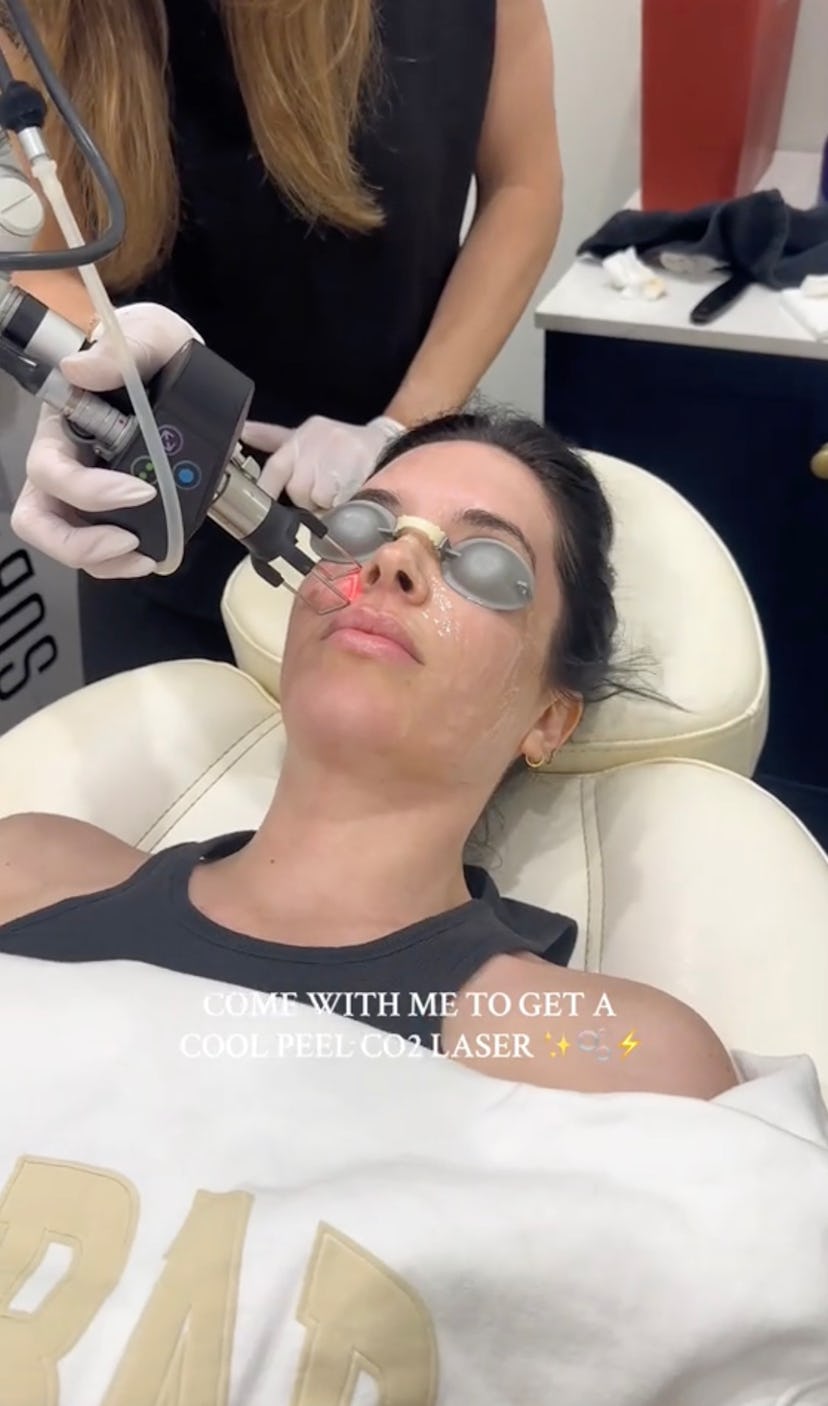
“Fully ablative procedures such as CO2 resurfacing lasers allow for significant rejuvenation, which is exactly what many are seeking during the winter months,” she explains. “In my experience, patients don’t regret committing to this annual period of healing for the results achieved.” These results include sun damage correction, collagen induction, and elastin production — but Shokeen notes the outcome depends just as much on aftercare as the treatment itself.
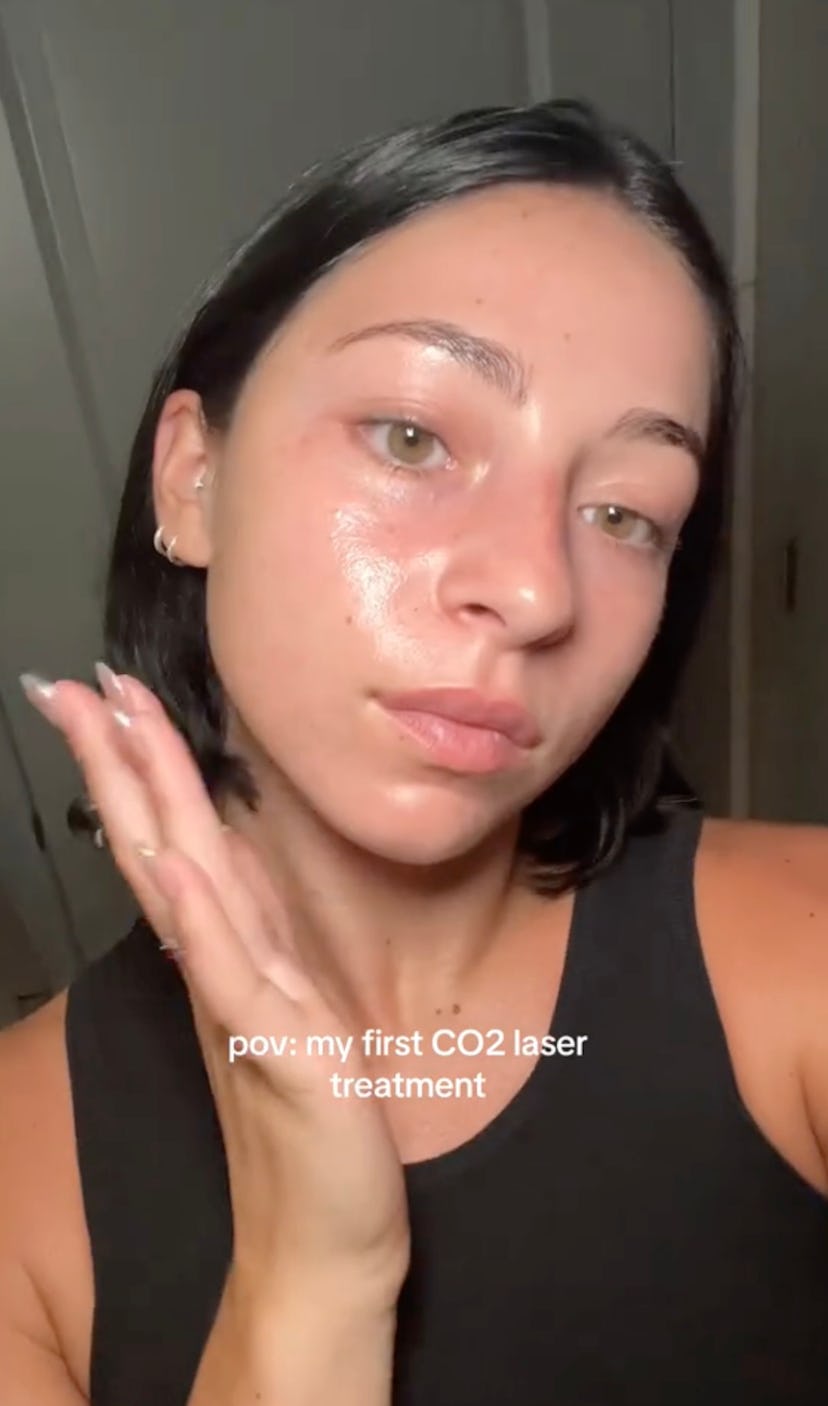
“Successful results are 50% the procedure and 50% what the patient does at home,” Shokeen says. For laser treatments, she emphasizes a strict aftercare routine for the first month, specifically sun protection and minimizing irritation.
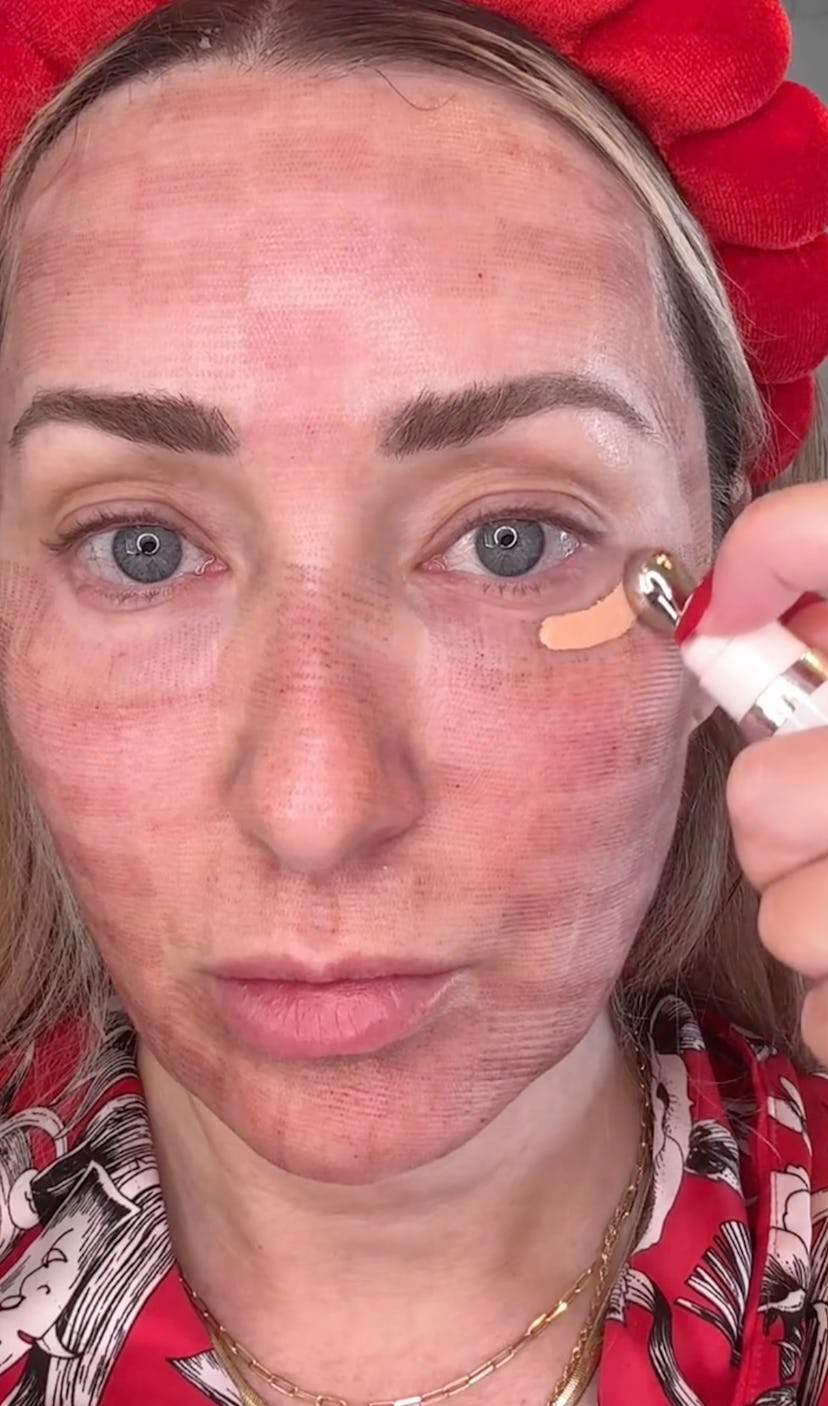
Applying makeup to freshly treated skin, she adds, is not recommended — which explains why the viral post struck such a nerve with some estheticians watching from afar. However, the tinted sunscreen used in the video — one from Colorescience — is actually a good option to apply a few days after the treatment. It checks the box of sun protection with ingredients like zinc oxide and titanium dioxide, it’s fragrance-free, and the pigment comes from iron oxides, which are typically gentler on sensitive skin.
So, Does Your Skin Need One?
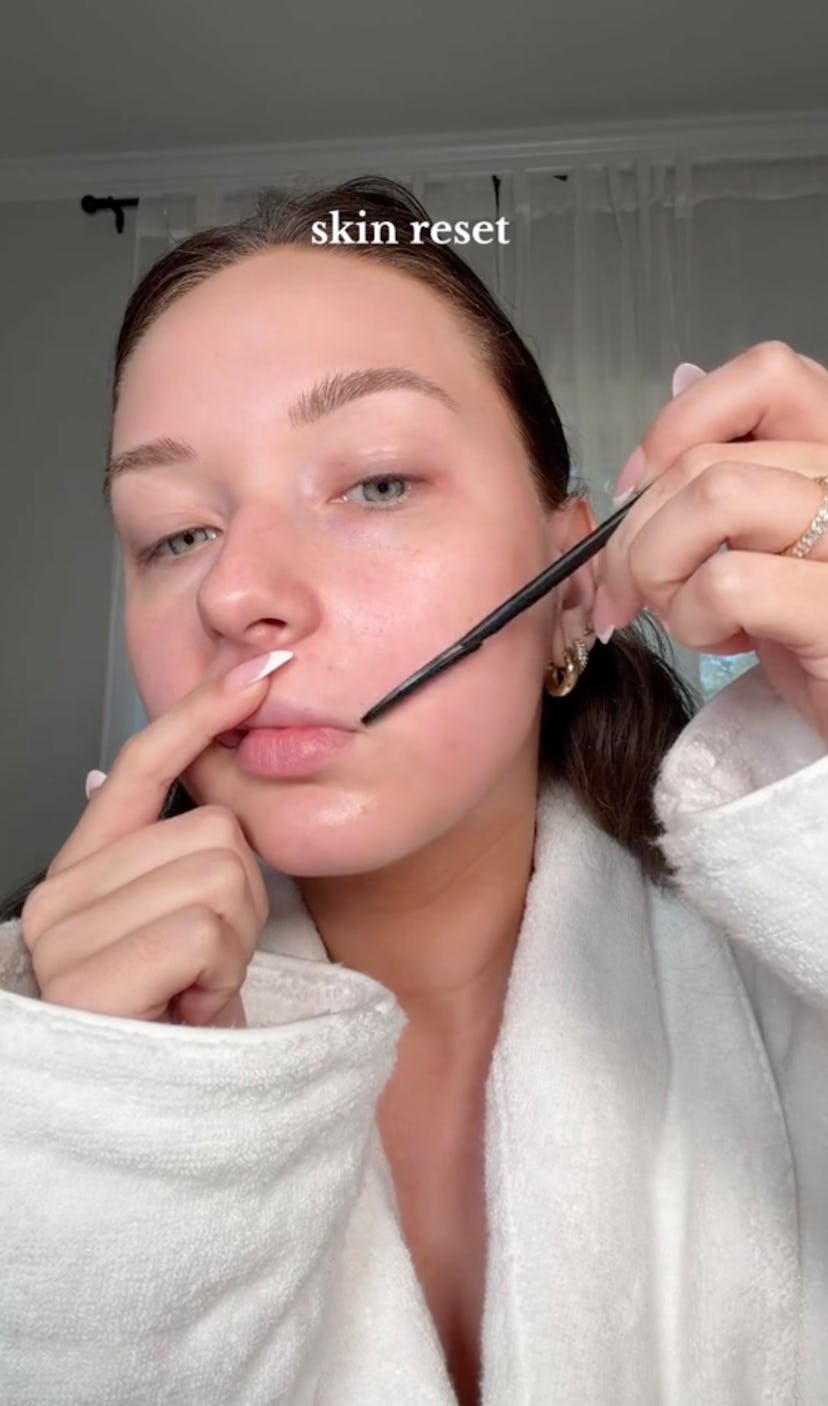
The short answer is: it depends. But according to Shokeen, it all comes down to your skin concerns — and how much damage you’re trying to undo versus prevent.
For people with relatively healthy skin — meaning a consistent at-home routine, minimal sun damage, and few chronic concerns — regular maintenance is often enough. However, “for patients with a history of skin cancer, stubborn pigmentation, or acne scarring, an annual reset is preferred,” she explains.

That’s where the hybrid approach comes in — not only in pairing regular checkups with yearly resets, but also in finding the right combination of procedures for that annual overhaul. “I rarely perform the exact same treatment on different patients,” Shokeen says. “It is never about the procedure — it’s about the provider who understands your skin type and your skin’s needs.” That distinction is especially important with intensive lasers. She uses CO2 resurfacing when appropriate, but it’s not always her first choice — particularly for melanated skin, where the risk of post-inflammatory hyperpigmentation requires a more customized approach.

What doesn’t work? Treating a yearly reset as a shortcut. Intensive procedures don’t replace daily sunscreen or good skin care habits. TikTok will always reward the most dramatic version of skin care — the spectacle, the redness, the downtime — but the right reset isn’t about how extreme it looks on camera. It’s about making the right call for your skin with a provider who understands your concerns, even if that means skipping the laser and sticking with a blue light mask at home.
