Entertainment
What Lindsay Shookus Did Next
The former SNL producer opens up about her transition to documentary filmmaking and why she wouldn’t put her subject, Alex Rodriguez, “on a pedestal.”
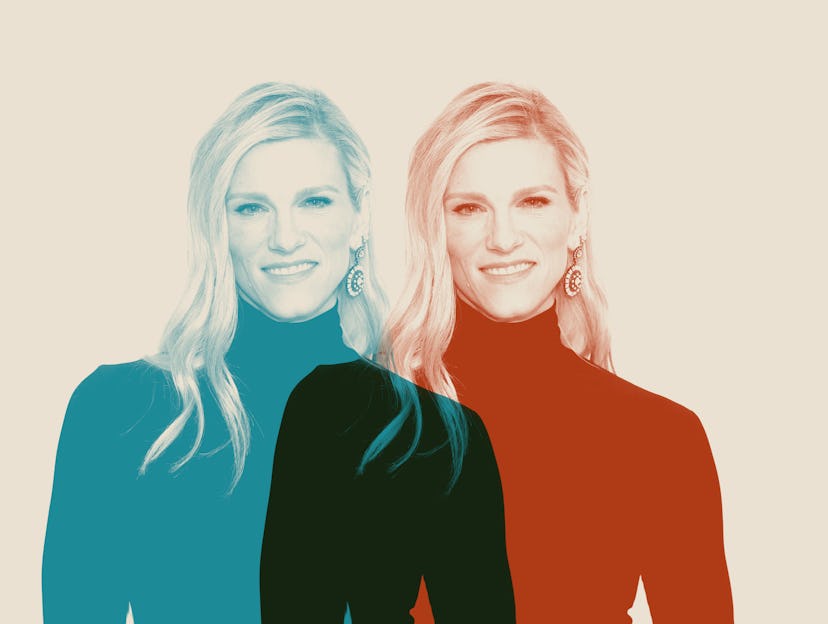
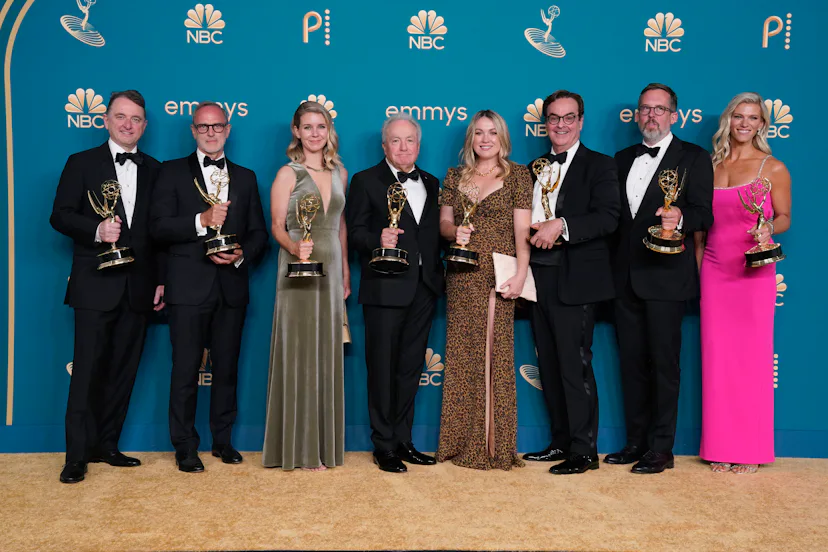
When talent producer Lindsay Shookus left Saturday Night Live in 2022, she didn’t know what would come next. “But I did know that everything I did at that show was going to be useful in my next chapter,” says Shookus, who oversaw host and musical guest bookings at Studio 8H for two decades. “It was like a master’s in show business and a trial by fire. On my first day of work, I met Matt Damon. I was 22 years old.”
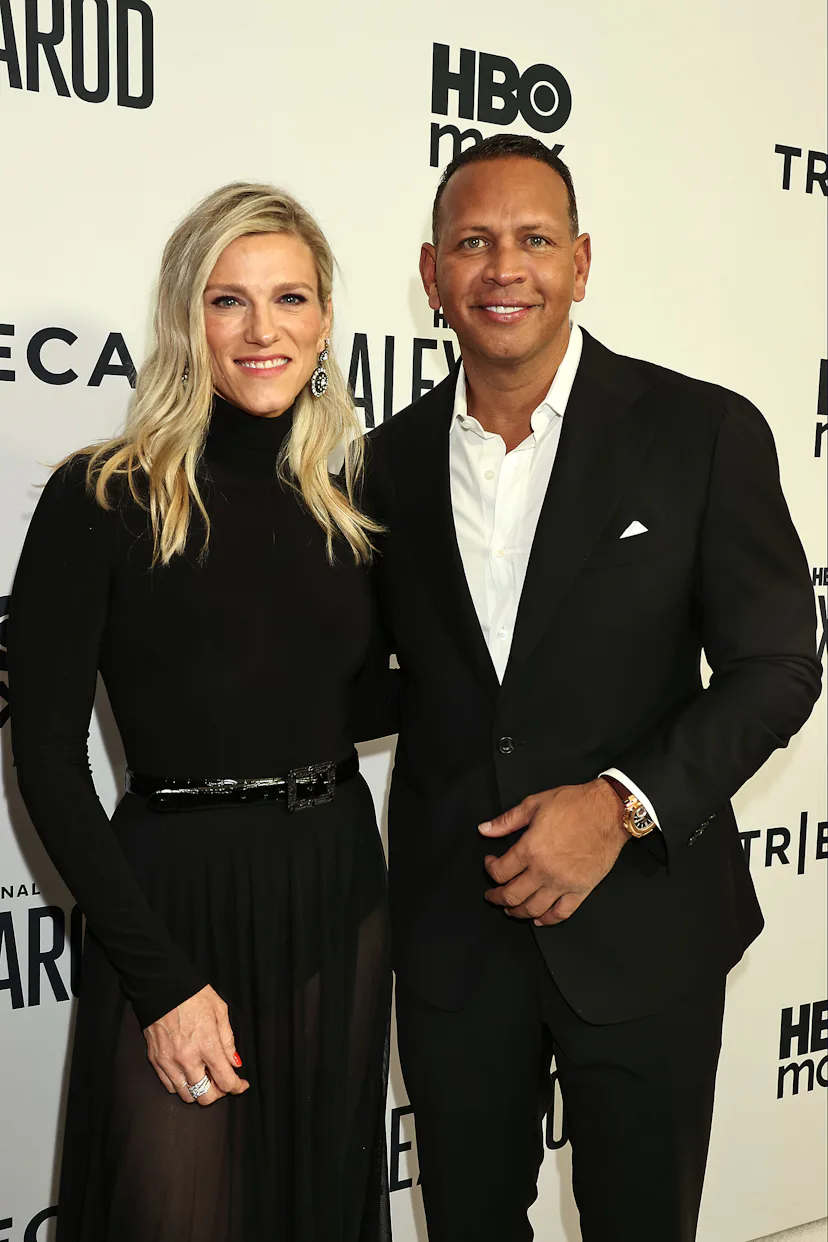
At first, Shookus only told close friends of her impending departure. One of them was baseball legend Alex Rodriguez. “We had lunch, and I hadn’t yet told anybody I was leaving SNL,” she says. “He was so amazing and open and vulnerable, and I remember him telling me the story of him getting on the plane after he retired and how he was like, ‘What am I going to do? This is all I’ve ever done.’ And in a similar way, I had been at SNL for 20 years. It was my only adult job.”
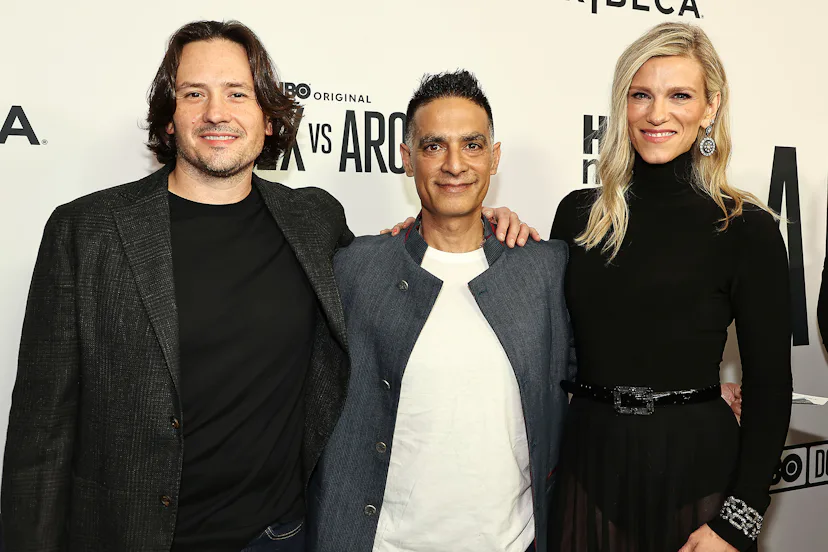
While Rodriguez was never an SNL host — more on why later — he did make a few cameos at Shookus’ request, and so when Rodriguez heard the news of her departure, he took his shot. “He was like, ‘Would you be interested in doing this documentary with me?’ And that’s when I said to him, ‘Listen, I've never done a documentary. I think it would be really great to do it, but I just don’t want to do some puff piece.’” Rodriguez agreed, and the pair teamed up with directors and executive producers Gotham Chopra and Erik LeDrew for the three-part HBO series, Alex vs ARod. The result is a revealing and endearing portrait of a complicated athlete’s career and personal life. Here’s how the project came to be.
Tell me about how you first met Alex.
We met through SNL. He actually was supposed to host. We had him booked in December of 2007, and then the writers strike happened, so he never ended up hosting. I remember running into him at Leonard DiCaprio’s birthday party — we’d just always find each other. And then he did a couple cameos on the show, so we just became friendly. There was a point where we lived in the same building and got to know each other outside of show business. We would have conversations that were real and a little bit more in-depth than the average person that I would see randomly throughout SNL.
You clearly built real trust with him to get him to do this. How did you do it?
People in Alex’s life were saying to him, like, “Oh, when are you going to do it?” Especially when you see the barrage of documentaries that have happened since [Michael] Jordan did his. He started to take meetings before I was involved.
But when I left SNL, Alex was a really good friend to me that summer. He would check in on me to be like, “I know this feels weird; how are you doing?” And so then he was like, “Would you be interested in doing this documentary with me?” At this point, I knew there was a lot of depth to Alex, and I was like, “If you want to show that and go into a more challenging, layered place that really talks about the hard stuff, then I think I’d love to be involved. But I just don’t want to put you up on a pedestal and make you look like you’re perfect. That doesn’t interest me.”
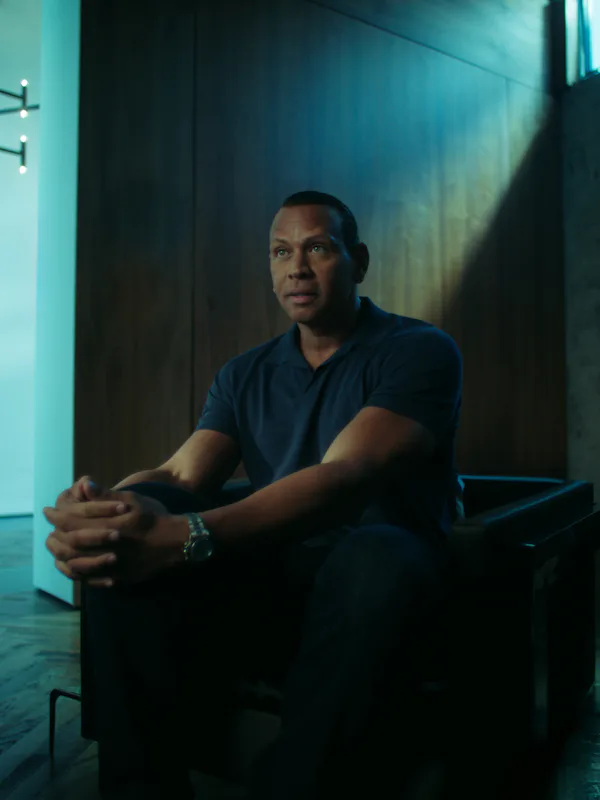
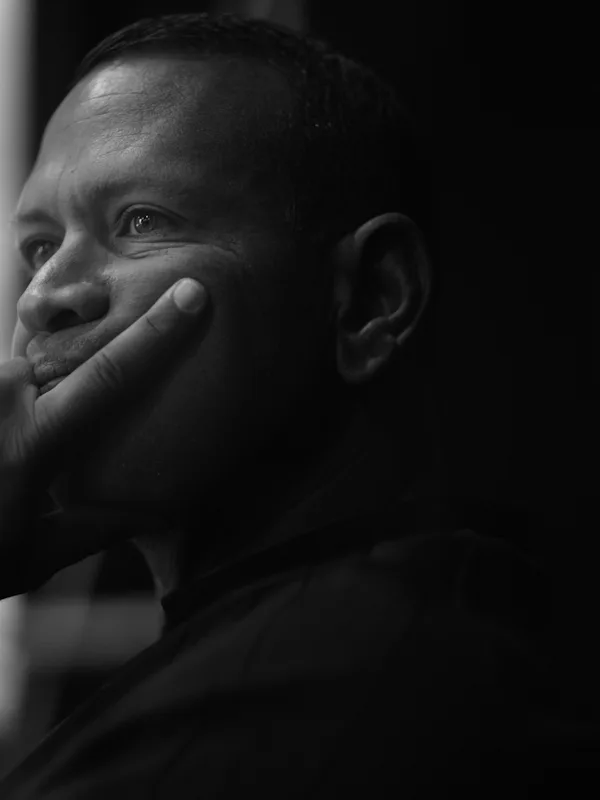
His story is the combination of two things together: extreme ability, extreme dedication, and then all the demons and challenges that come with it.
We all have our shadow self. Listen, I really have tried to be a good, kind, fair person in my career, [but] have there been moments when the tides take you someplace and you’re like, “Wait a second; I don’t know; this isn’t me”? I think it’s pretty relatable. Everybody has their version. It’s not a PED [performance-enhancing drug], and it’s not on the cover of Us Weekly or the New York Post, but everybody has a version of where they have to decide who they want to be.
I definitely had that moment. I remember being in my late 20s or 30s and dealing with gossip being like, “Do I want to be somebody who really trades in gossip? I don’t think I like this. I don’t want to be the person who’s known to talk about people.”
Tell me about the actual interview process for the documentary.
It probably was a full two-plus years to do all the interviews. We just kept going back to Alex. We’d do one, then we’d wait, then we’d go back. Some days he was really down, and some days it just wasn’t flowing, so we would just take the temperature, like “You know what? Maybe this is a better day to go follow him with his daughters.”
But I was there for all of it. I conducted the interview with [his eldest daughter] Natasha because I just had felt like I had gotten to know her so well, but Gotham, Erik, and I, we were a great team. I’m more of a feelings person, so talking about the end of his marriage, his children — things that maybe we needed a little bit more vulnerability — I would try and step in. But honestly, we kind of tag-teamed. We were in a little triangle, so he could see all three of us at the same time [behind the camera]. It was pretty intimidating, I think, for him at moments.
Did your friendship change while working on it?
I understand him and respect him even more. It is an interesting balance to know somebody and be their friend, but then also be their producer. And this isn’t a scripted show, so I didn’t have the luxury of being like, “Say it this way.” I had to be the friend who’s like, “Hey, trust me. I think this is going to be really good for you.” But on the flip side, if I didn’t like what he said, I couldn’t be like, “That’s not going to work. I need to try it again.” I found the balance was hard sometimes. We’re trying to give you what he actually said, whether or not we wanted more or wanted less or didn’t like what he said. This is his truth.
I love that scene at the end of Episode 3 when he’s reading the stories that he wrote for his therapist, Dr. David Schnarch, about his father. All the barriers had gone.
Wasn’t that amazing to see? It doesn’t matter how much money you have and how much fame and how much power, there’s no replacement for a dad who’s left. He wanted a dad. If you think about it — and we didn’t want to harp too much on this throughout the documentary —there were multiple people in his life that were father figures that then either passed away or he left. He was always searching for a father figure.
I also liked that detail when one of the coaches was discussing how Derek Jeter and Tom Brady had great families supporting them, and when you don’t have a conventional family in that way, it’s not a level playing field.
By the way, I always saw that with the young stars [at SNL]. Taylor Swift’s mom was around. Justin Timberlake’s mom was around, and when Timberlake’s mom wasn’t around, she had this woman named Renee, who’s no longer alive, but Renee was always there. Versus Lindsay Lohan’s parents, [who] beat her to the party. She was 19 or 20. We forget when you’re treated like a god and you don’t have someone grounding being like, “Hey, this isn’t all what you think it is. Your people are blowing smoke up your *ss. You’re not that special.”
His daughters are quite tough on him, which was interesting to watch. Was there anyone you showed early versions of the documentary to who gave valuable feedback?
We showed it to Alex and his daughters. I mean, his daughters have a really interesting perspective. Like you say, they’re tough on their dad, but they also are really smart and would see things that were missing. They would ask really interesting questions: “What is the story of this episode?” They are really, really smart.
Was work like this in the plan when you left SNL?
I didn’t quite know. SNL is such a specific thing, and there’s nothing else like it. I actually remember Alex saying to me that summer, “If I can give you one piece of advice, don’t try to compare your next chapter to SNL. SNL was a once-in-a-lifetime experience. You had the best job in New York City. Now you can go do something else. Don’t let your mind compare it every single day. Build something new, build something else.”
That’s good advice.
His other advice was “You have no idea where you could be in five years. But like, “Holy sh*t, you have no idea where you could be in five years!” And looking at it with hope and excitement as opposed to being scared.
I think that’s really affirming for women to hear.
It’s tremendously scary. Everything that had identified me as an adult was SNL, right? I moved [to New York], and before I even had an apartment, I had that job. So it was terrifying. I’m a shoulders-back, palms-up kind of person. If you keep your network really tiny and really focused, that’s all you’re going to see. But if you start to be like, “Wait a second, there are so many interesting people to learn from…” I have made so many new friendships outside of show business.
Would you like to do another documentary after this?
I would love to. I have so many new skills to apply to it, but for me it’s all about the person, the talent, the story. Alex’s story wouldn’t have been interesting if he didn’t want to open up. If you can’t dig deep, then it’s really not worth telling.
Last week, Alex did a panel and everyone was like, “Why now?” and Alex said, “I’m no longer afraid of my past.” There is such power when you’re no longer living in your shame bubble. He made mistakes, and he’s figured out how to move through them. He doesn’t want to be stuck in that ugly shame anymore. And he isn’t, which is cool.
This conversation has been edited and condensed for clarity.
