A Fresh Start
Burned Out At Work? Maybe You Need A "Hallmark Job"
What it's really like to quit the corporate grind, find charming work in a tiny town, and marry a cowboy.

You’ve seen the Hallmark movie: A big-city girl with a fancy career goes back to her small hometown for the holidays. She falls in love — both with the place’s quirks and her former high school sweetheart. Eventually, she gives up the fast-paced corporate life to run a charming bookstore on Main Street and live happily ever after.
This scenario might be fictional, but some weary workers who’ve grown tired of the rat race have actually made that dream come true. These big moves aren’t without challenges — a retail or farm job requires more financial instability and physical labor, for instance, while a move to a remote area may mean building a community from scratch.
But it can also stem from corporate burnout, offer a flexible schedule, and create a more meaningful life. It can even lead to an unexpected romance. (This is Hallmark, after all.)
Below, four women share the perks, pitfalls, and life-changing effects of such a move.
The Hometown Shop Owner
Growing up on Long Beach Island, a tiny sandbar off the coast of New Jersey, Emily Raleigh yearned for a big, busy city life. By 25, she made it happen, landing a job she adored at a tech company in Boston (and later, New York). She finally had the opportunity to fly around the world and move in with her high school sweetheart after seven years of dating long distance.
But when the pandemic hit, she and her fiancé got stuck in an apartment without working heat. They moved home. Since they were no longer able to travel, working with international colleagues became a slog. Now 31, Raleigh says, “You take a couple of meetings at 2 a.m., and you’re like, ‘I don’t think this is what I want to be doing.’”
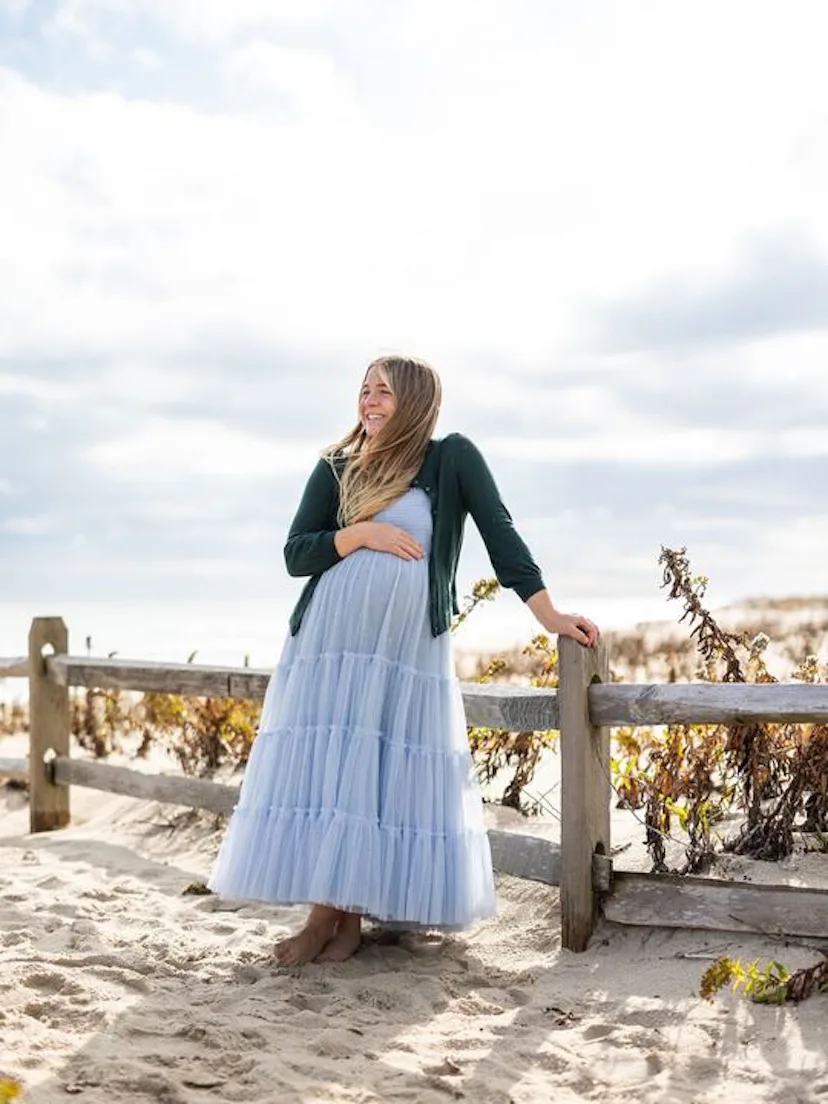
So she seized the opportunity to fulfill another long-held dream, operating a brick-and-mortar shop inspired by her hometown’s coastal lifestyle. She drew up a business plan featuring merchandise like beach reads, home goods, and bath products. Next, she secured a letter of intent on a commercial space and quit her job — but two days before her wedding, the location fell through. “I immediately started to cry. It was exceptionally bad timing,” she says.
Luckily, she found another spot and opened The Dune Market in 2022. Today, the business is thriving, so much so that she was able to expand the square footage earlier this year. Her life has changed in other ways, too: She and her husband are restoring a 95-year-old cottage, and they welcomed their second child last month.
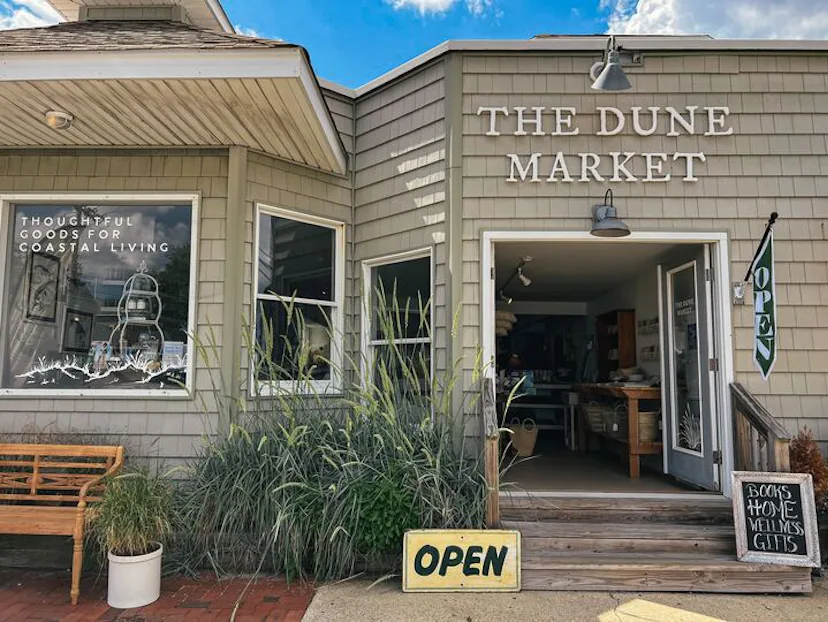
There are downsides to owning her own business, like when an unexpected nor’easter hit this past fall. “I was eight months pregnant on my hands and knees, cleaning up after the flood,” she says. “I was like, ‘This is one of those days where the cushy corporate job was real nice.’” And while that kind of role would have provided maternity leave, Raleigh is already back at work — in fact, she worked Small Business Saturday, one of her busiest days of the year, only five days after giving birth.
But Raleigh has no regrets. While she misses living in a big city, her new life has plenty of magic. She says, “We get to walk up to the beach and say ‘night night’ to the ocean every night.”
The Hollywood Exec On An Island
When Julia Spiro was rejected from a creative-writing seminar during her freshman year of college, she put that dream on a shelf. Instead, the Boston native pursued a career in film, ascending so quickly that by 29, she was a vice president of a major Hollywood studio. Her friends thought she had the coolest job, though Spiro wasn’t so sure. Now 38, she says, “It sustained me for a while, feeling important and feeling connected, but I wasn’t actually enjoying it.”
She was burned out by 12-hour workdays and nonstop industry events. “You’re going out and you’re having drinks every night. You’re not sleeping well. You’re tethered to your phone,” she says. “My body was like, ‘You can’t do this anymore.’”
As the #MeToo movement rocked the industry, and the rise of streamers was threatening the traditional studio system in which Spiro had come up, she decided to leave. She temporarily moved in with her parents, who by then were living on Martha’s Vineyard, to finish the novel she’d been tinkering with. Before long, she realized the island was just what the doctor ordered. “For the first time in my adult life, I felt like I had the time and space to focus on myself,” she says.
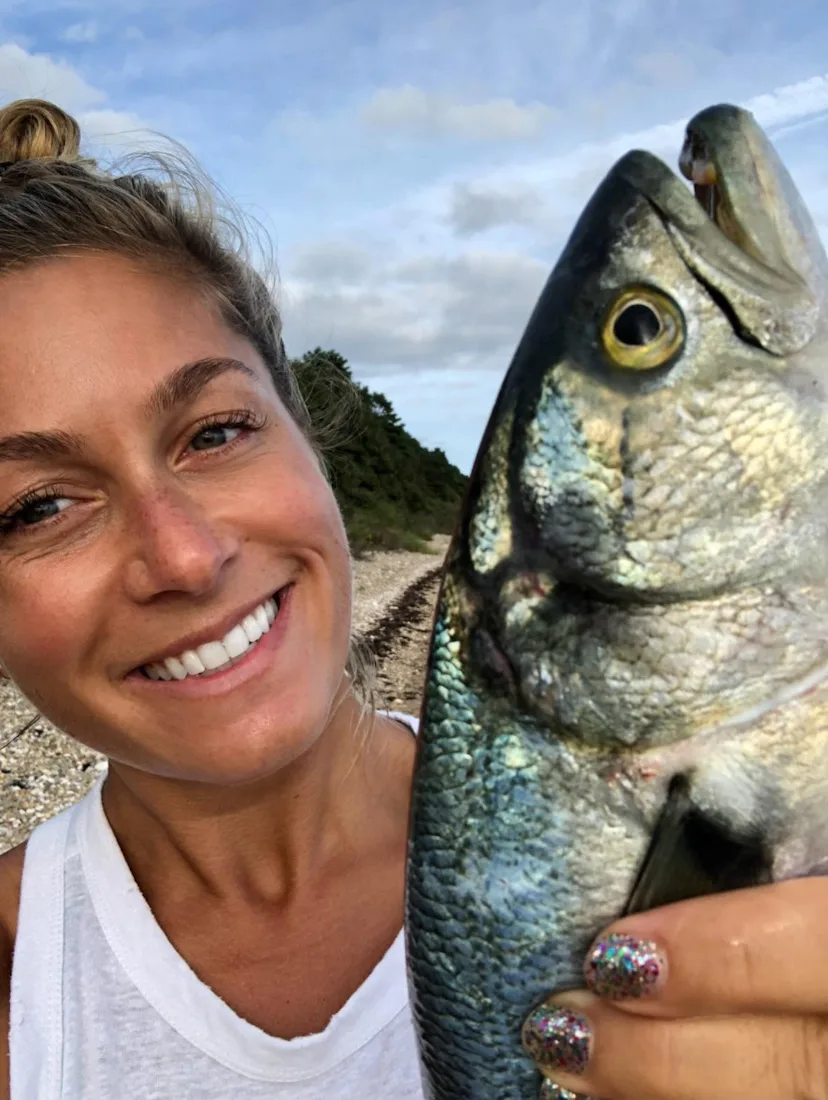
Three months later, she attended an awards ceremony for an annual fishing derby. There, she ran into a man she’d known when they were both teenagers, who was now a fisherman on the island. Though he wasn’t like the successful Hollywood insiders Spiro used to date — “In retrospect, I cringe at this, but I pretty much would never go on a date with someone who had a job I didn’t think was cool or important,” she says — they hit it off immediately.
Dates involved fishing and breakfast sandwiches, not fancy restaurants, but his salt-of-the-earth attitude and unwavering support for her success more than made up for it. “He’s never felt threatened by me, which is not something I can say for many of the guys I dated in L.A.,” she says. Today, they have a house and two kids.
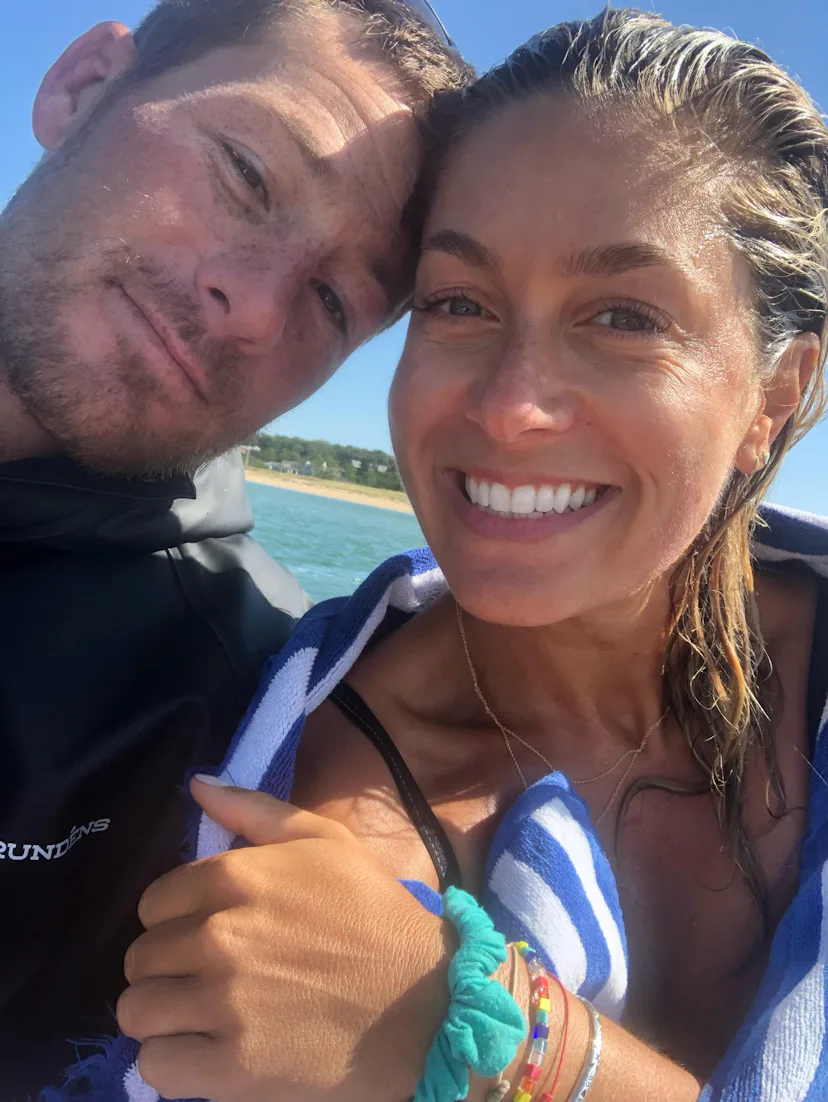
Despite Spiro’s collegiate rejection, she’s published three books, all set on Martha’s Vineyard, and loves working for herself. “I’m much more productive working very efficiently for two hours instead of all day,” she says.
It’s not always easy. Spiro’s money comes in small installments from her publisher, which she describes as a “painfully slow trickle of income over the course of several years.”
“I don’t have nearly the same sense of financial security I had in my old career, and I probably never will,” she says. She’s had to adjust her priorities — instead of buying expensive work clothes, for instance, she spends more time in sweats, which fits her mom-on-the-go lifestyle better anyway.
“Once in a while, I really do crave a dirty martini at Tower Bar, and I miss that,” she says. “But not enough to go back.”
From Startup Founder To Pig Farmer
Like for Raleigh, the pandemic was a turning point for Carrie Marshall, 45. She’d been running her own successful all-woman marketing agency in the Bay Area for nearly a decade, but the global crisis made it challenging to stay afloat. She wound it down in 2022.
Around that time, storms and fires were becoming increasingly common in California. Marshall began to worry she was too reliant on city comforts like easily accessible grocery stores and emergency workers. After an incident in which she and her family evacuated their home during a fire watch, she decided to make a change.
She and her husband had recently purchased a weekend home, a 300-acre ranch in Northern California. They transformed it into a full-time working farm and agrotourism space, rented out an extra building on the property as an Airbnb, and began learning how to sustainably work the land.
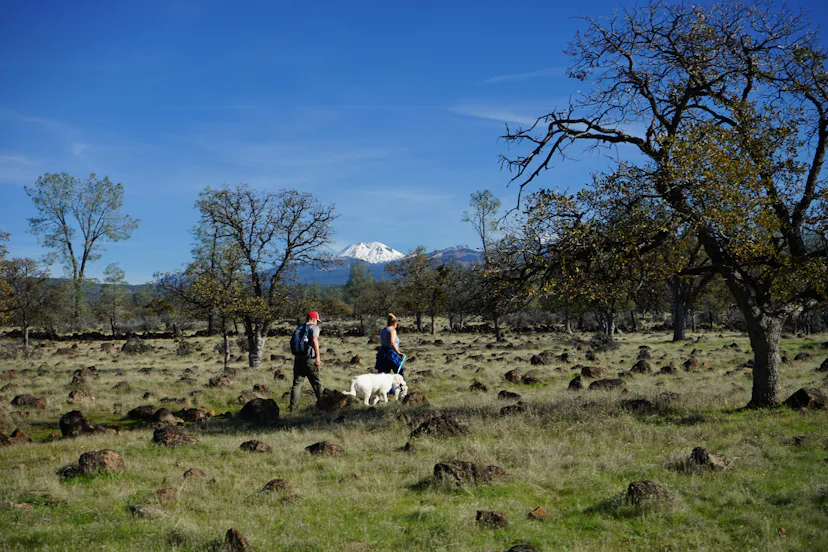
For a while, they still had extra acreage. Inspiration struck while on vacation in Spain, over a meal of ham and cheese at a tapas bar. “We looked up at this poster on the wall that showed these Iberico pigs under oak trees, which looked just like our land,” she says. “We both had this epiphany at this same moment — we could raise pigs.”
They bought 10. She spends her days on the ranch tending to her animals, cleaning pastures, and cultivating the land. She’s learned unexpected skills, like how to build fences, operate firearms, and navigate the state’s heavily regulated agriculture business.
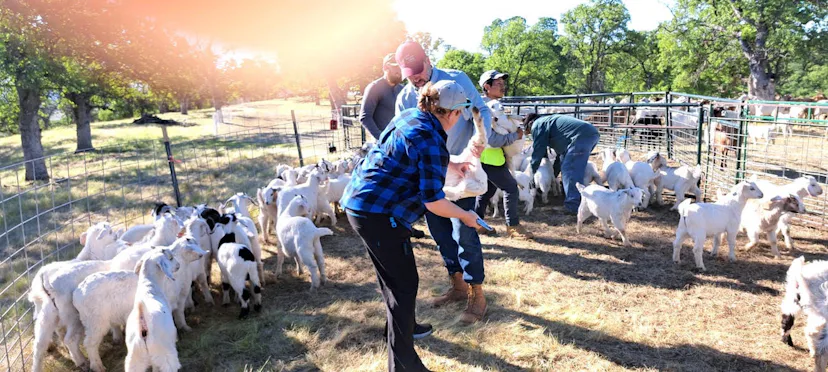
Marshall has also found her way into a close-knit community. “It took quite some time to build relationships, but we’ve always worked really hard to know our neighbors and get involved,” she says. Now, they swap resources. A local who runs the 4H swine program taught Marshall more about farm animals, and Marshall offers locals her business expertise. “I’ll help them with paperwork that they aren’t sure how to fill out,” she says.
Marshall and her husband enjoy the physical nature of ranch labor, especially in contrast to their corporate gigs (along with running the pig farm, Marshall’s husband still works as a lawyer). She also appreciates the chance to live more sustainably. “Food is a livelihood for so many people,” she says. “Not something that you get from DoorDash.”
The Chief Of Staff & The Cowboy
Throughout Lauren Crawford’s 20s, she climbed the ranks at major tech companies, taking one stressful well-paid job after the next. But as she got older, the shine began to fade. “Society was telling me, ‘Hey, you’re doing well. You have a fancy car. You have nice clothes. You have all this extra money. You should be really happy, right?’” says Crawford, now 41.
She wasn’t. In 2022, she was working 100 hours a week as the chief of staff at a Fortune 50 company in Dallas while undergoing aggressive treatment for cervical cancer. For two years, she barely left her apartment. Exhausted and unfulfilled, she felt it was time to move on.
In 2024, Crawford sold all of her belongings — “I was sleeping on a cot on the floor in my empty apartment, just ready to exit,” she says — and put in her resignation, quitting without even sending her colleagues a goodbye e-mail. She moved to Fort Collins, a small, laid-back, outdoorsy city in Colorado, where Crawford hoped to recharge.

“The people here are so kind, and you feel like you’ve stepped back in time,” she says. She pushed herself to attend local events and wasn’t shy about building a community. One night, she spotted a woman reading at a bar — an unusual sight in Fort Collins, Crawford says. “I immediately went up to her and said, ‘You must be new here, so am I!’ And then we became instant friends.”
About six months after she arrived in Fort Collins, her oncologists declared her cancer-free, inspiring Crawford to dip a toe back into the dating pool. “A first date in Dallas would be picking me up in a McClaren they just bought that day, taking me to a very expensive steakhouse, drinking an entire bottle of wine themselves, and then crying about issues with their ex-wives,” she says. In Fort Collins, where people generally shared more of her interests — nature, healthy living, reading, art — it was easier to find the right person.
On Bumble, she matched with a linguistics professor in a cowboy hat. “He lived on a river on the top of a mountain and drove an hour to meet me for coffee,” she says. “At the end of the date, he said, ‘I really like talking to you. I’d love to see you again.’ I said, ‘How about tonight?’” And I’ve seen him every day since.”
Indeed, two months later, he proposed. Two months after that, they were married. “I knew he was the one,” she says.
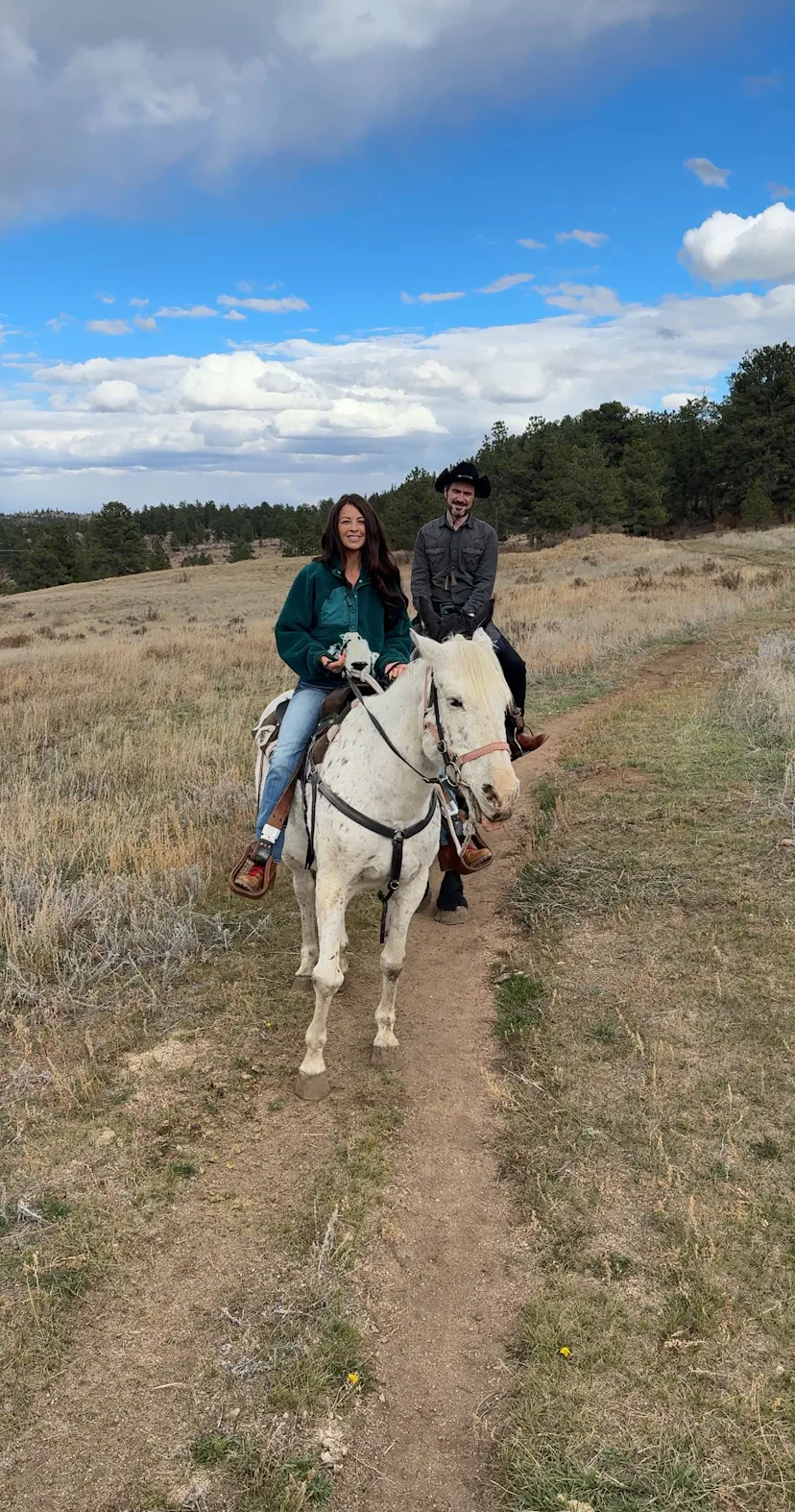
Crawford now works remotely part-time as a career coach for other chiefs of staff. She also founded her own slow-movement community on Patreon, which focuses on living a healthier, more purposeful life — but there are financial challenges.
To live on a third of her former “very healthy six-figure salary,” she says, she invites friends over for dinner and board games instead of going out to restaurants, and she learned to sew her own clothes. For her wedding reception last month, she skipped out on catering in favor of a potluck, and did all the decor herself, hanging handmade origami stars from the ceiling with twinkle lights and painting canvas totes for out-of-town guests to welcome them to the magical place that’s welcomed her, too.
“I think that made it really special,” she says.
