Books
21 Sad Books To Read When You Need A Good Cry
From classics like Anna Karenina to contemporary masterworks like Sing, Unburied, Sing.
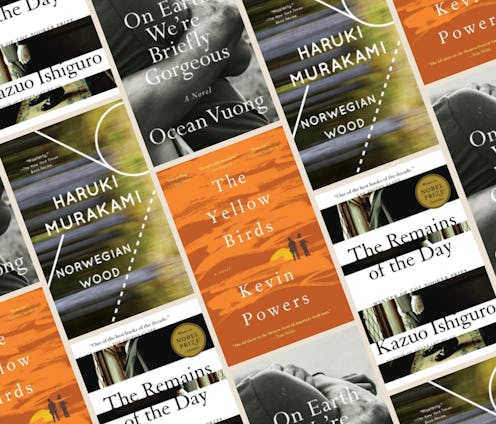
Sometimes, when you’re feeling down, the only way to feel better is to read or watch something unremittingly sappy and cheerful: a romance novel, a classic rom-com, a beloved sitcom. But sometimes, it’s more better to indulge our sadness rather than ignore it. And sometimes, we’re in the mood for something sad just because we feel like it.
In the list below, you’ll find all kinds of books, with different goals and different approaches to sadness and tragedy. A lot of them feature a doomed romance — the most satisfying category, in this writer’s opinion, of tragedy — while others offer a brutal view of family life. Those books may not be as indulgent as some of the others on this list, but they offer a different kind of literary catharsis. Though it’s impossible to totally avoid serious political issues, like racial prejudice, internalized homophobia, war trauma, and substance abuse disorder — all of which appear in one or more of the books below, to illuminating effect — they are not the focus of this list.
Read on to discover 21 sad books that will make you cry.
We only include products that have been independently selected by Bustle's editorial team. However, we may receive a portion of sales if you purchase a product through a link in this article.
1
Anna Karenina

If you want to go big, it’s hard to find a bigger or more sweeping literary tragedy than Anna Karenina, Leo Tolstoy’s 1878 saga of a noblewoman who embarks upon a disastrous affair with a dashing young cavalry officer. Though we sympathize with Anna, who’s married to a man 20 years older than she is, all of Tolstoy’s characters are complicated, and the novel has no real villain — not even Anna’s jealous husband. It also features a secondary, considerably less tragic romance between optimistic young lovers Kitty and Levin, which adds some welcome lightness to the book.
2
Wuthering Heights
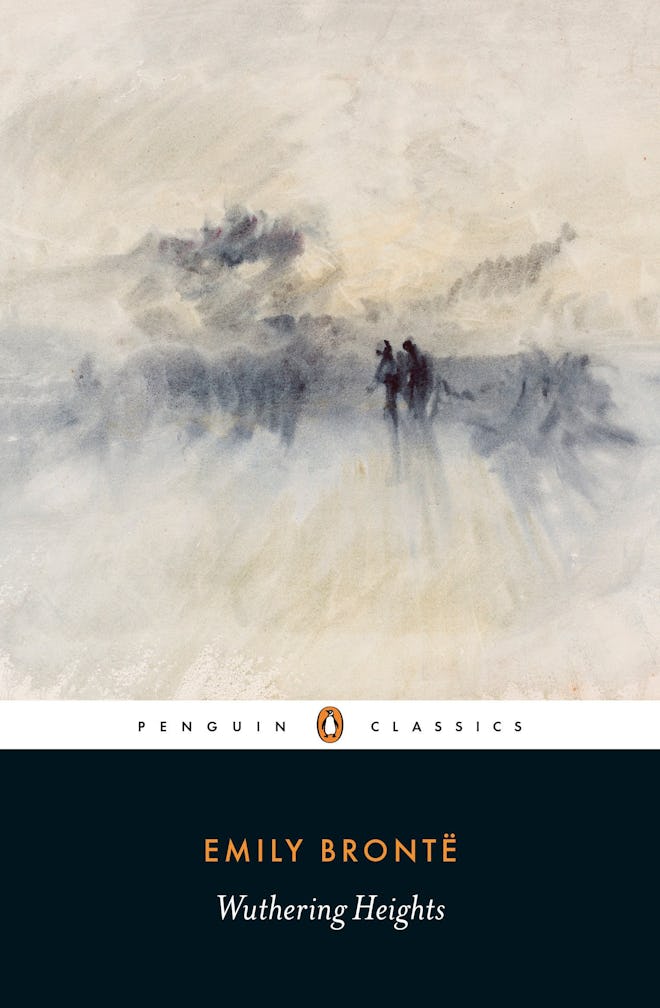
Wuthering Heights also features a classic 19th-century romance — and, for readers who aren’t quite ready to take on Anna Karenina, it’s a lot shorter. It’s also much darker. Though teenagers have swooned over Cathy and Heathcliff’s intense, all-consuming passion ever since the book’s publication, Brontë doesn’t exactly endorse how they treat one another — not to mention to everybody else. It’s a book about bad people behaving badly, but Brontë’s writing is so vivid and eerie that it’s hard to look away.
3
The Age of Innocence
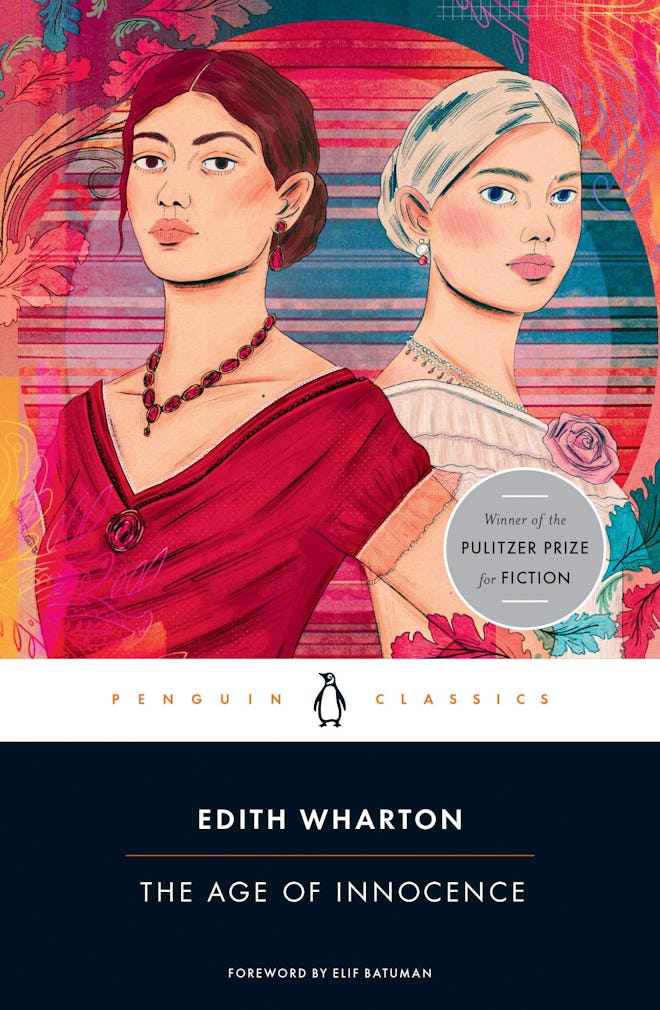
Edith Wharton’s masterpiece, The Age of Innocence, offers more traditional tragic pleasures: unlike Wuthering Heights’ Heathcliff and Cathy, who are separated by their own foolishness and cruelty, the two lovers in this novel are kept apart by societal pressures. Newland Archer is engaged to Ellen Olenska’s cousin, and she’s still married to her abusive ex-husband. In their world — the upper-crust of New York in the 1870s — divorce is beyond scandalous. Newland and Ellen know they can’t be together, which makes the intensity of their feelings for each other all the more painful.
4
The Painted Veil
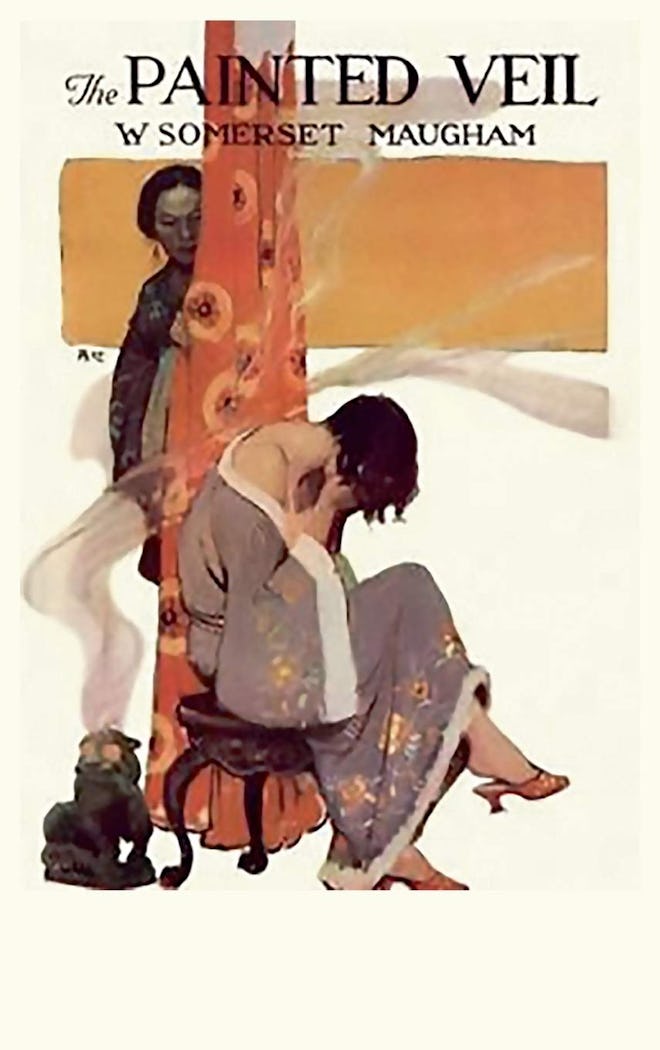
This short 1925 novel by English writer W. Somerset Maugham centers on the doomed marriage between Walter Fane, a doctor studying infectious diseases in interwar Hong Kong, and Kitty Garstin, his flighty, socialite wife. After discovering that she has been having an affair, Walter punishes Kitty by forcing her to accompany him to a rural, cholera-stricken village. The couple’s fractured relationship begins to heal just at the wrong time, making for an exquisitely painful read. Maugham also offers a clear depiction and subtle critique of colonial life in this period, which will appeal to readers interested in British imperial history.
5
A Game of Hide and Seek

Under-sung English writer Elizabeth Taylor was a bard of discontent and regret. In A Game of Hide and Seek, she follows Harriet Claridge and Vesey Macmillan from their early, tentative teenage romance to their reconnection in early middle age. Harriet is a shy, infatuated girl who marries a businessman; Vesey is a troublemaker who winds up becoming a second-rate actor. Taylor’s storytelling and prose are thoroughly unsentimental — it’s clear from the outset that this relationship isn’t destined for happiness — but she’s also an astute observer of human emotion, and she doesn’t shy away from describing Harriet and Vesey’s rare moments of connection.
6
Giovanni’s Room

When this short, brutal novel by James Baldwin was published in 1956, its frank depiction of same-sex desire and relationships, as well as its exploration of bisexuality, was shocking; its emotional impact remains intense today. In Giovanni’s Room, Baldwin follows David, a white American man living in France who strikes up a relationship with an Italian bartender named Giovanni. The titular character, readers learn in the first pages of the novel, is doomed to be executed — and the book unfolds with the horrible certainty of Greek tragedy, with no relief in sight.
7
A Single Man

A Single Man is another short, tragic novel from midcentury America written by a gay man. In this case, however, the novel’s tragedy does not derive from its protagonist’s queerness; he is, instead, mourning the sudden death of his longterm partner, and questioning what meaning life has in his absence. Film aficionados will remember Colin Firth’s exquisite performance in Tom Ford’s 2009 adaptation of A Single Man, but even if you’ve seen the movie, this beautifully written, aching book is worth a read.
8
Revolutionary Road
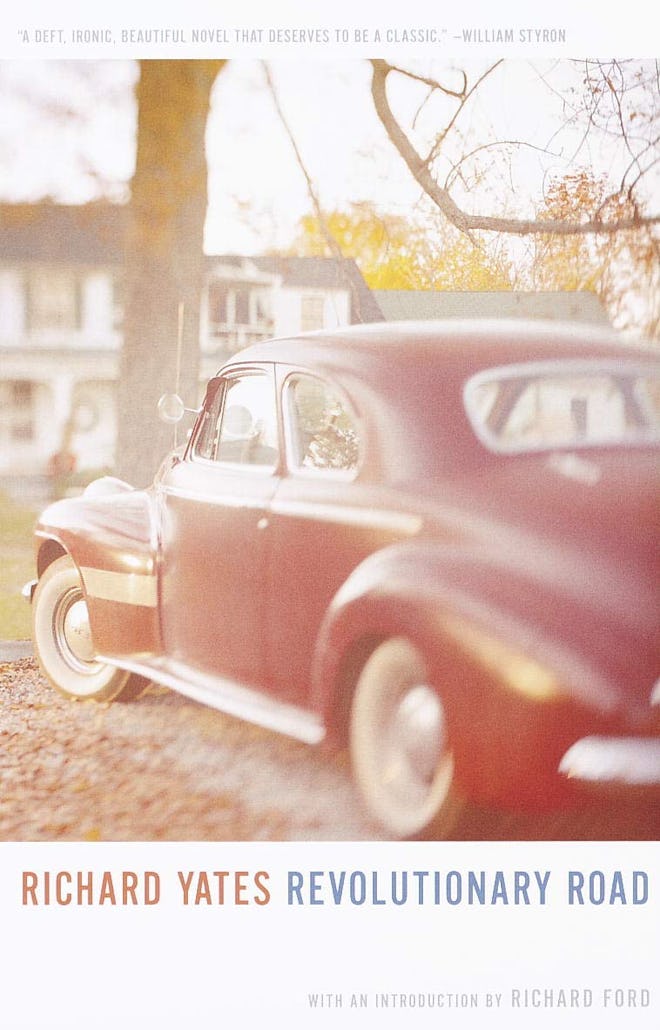
This midcentury masterpiece of suburban discontent also received a burst of new attention when it was adapted for film in 2008 by Sam Mendes, particularly because it featured the reunion of Leonardo DiCaprio and Kate Winslet. But as good as that film is, it couldn’t capture the brutal emotional honesty of Richard Yates’ novel, which describes a collapsing marriage in the Connecticut suburbs in the early 1950s. Yates’ piercing psychological insight is unmatched among his contemporaries, and is on full display in this claustrophobic book. Some of the other titles on this list make sadness seem pleasurable, but while this novel is a thrilling artistic accomplishment, it’s not fun.
9
Amongst Women

Although John McGahern is not well-known in America, he is a legendary figure in his native Ireland, and his masterpiece, Amongst Women, illustrates why. In under 200 pages, McGahern recounts an entire family’s history — one that’s so troubled you’ll be glad to be free of them by the end, but haunted by them after you’ve finished. The novel, set in rural County Leitrim, tells the story of the Moran clan, particularly the patriarch Michael Moran, a cruel and controlling figure who dominates his children. McGahern is unsparing in his depiction of a dysfunctional family, and like Revolutionary Road, this isn’t exactly an enjoyable read. But if your family at all resembles the Morans, chances are you’ll find it a cathartic one.
10
The Color Purple

This classic, Pulitzer Prize-winning novel by Alice Walker was adapted for film by Steven Spielberg and as a musical for the stage (the most recent production starred multi-hyphenate Cynthia Erivo). But there’s nothing quite like the original epistolary novel, which spans decades in the lives of sisters Celie and Nettie. As young Black girls growing up in the early 20th-century South, they face mistreatment and sexual abuse, painfully and viscerally portrayed here by Walker — who also beautifully depicts the bonds between women, and especially those between sisters.
11
The Remains of the Day
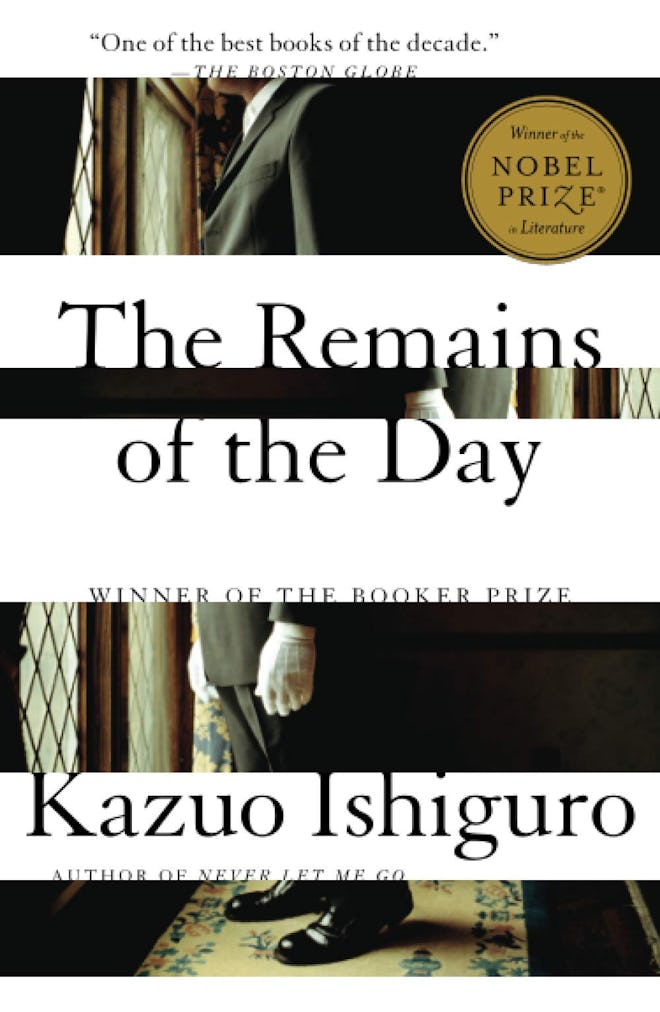
Nobel laureate Kazuo Ishiguro has made a career of writing sad books. His novels rarely end happily, and Never Let Me Go, his first excursion into dystopian sci-fi, is his most traditional weepy. But The Remains of the Day, which won the Booker Prize in 1989, is heartbreaking, too. Like nearly all of Ishiguro’s protagonists, its narrator Stephens, a butler at a fading English estate, can’t articulate his own feelings. His love for his former colleague Miss Kenton is so buried he can’t act upon it, and his life has slipped away as a result.
12
Atonement

Like so many of the novels on this list, Atonement has also been made into a film — there’s just something about tragedies that makes for good movie material. But, as with those other novels, Joe Wright’s very good 2008 adaptation of Atonement can’t hold a candle to the original. Most of Ian McEwan’s novels are puzzles to be solved; here, he concocts a brilliant one about the nature of fiction, but imbues it with overwhelming emotion. Set in England during the 1930s and 1940s, the novel follows an aspiring writer through her childhood and her time working as a nurse in WWII. All the while, she’s haunted by her betrayal of her older sister.
13
At Swim, Two Boys
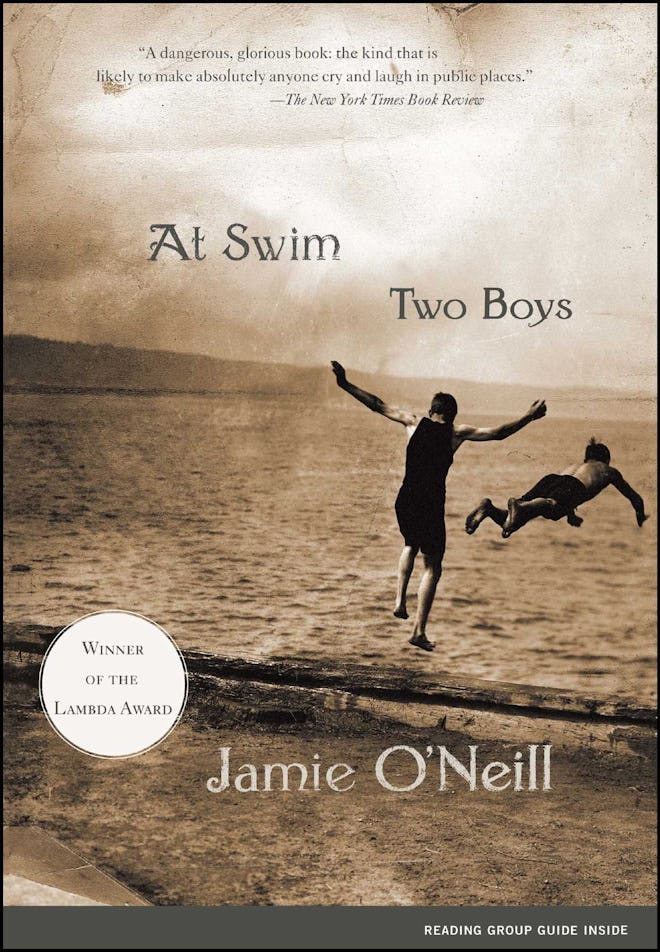
At Swim, Two Boys may seem intimidating at first: It’s a big book, written in impressionistic, stream-of-consciousness prose that hearkens back to early 20th-century Irish modernism, and is full of period-accurate dialect. If you stick around through the tricky opening pages, though, you’ll be rewarded with a gripping, heart-rending romance between two teenage boys — one who’s already aware of his own sexuality and one who’s yet to discover it — as well as an astute commentary on political and LGBTQ+ history in Ireland.
14
Walk the Blue Fields
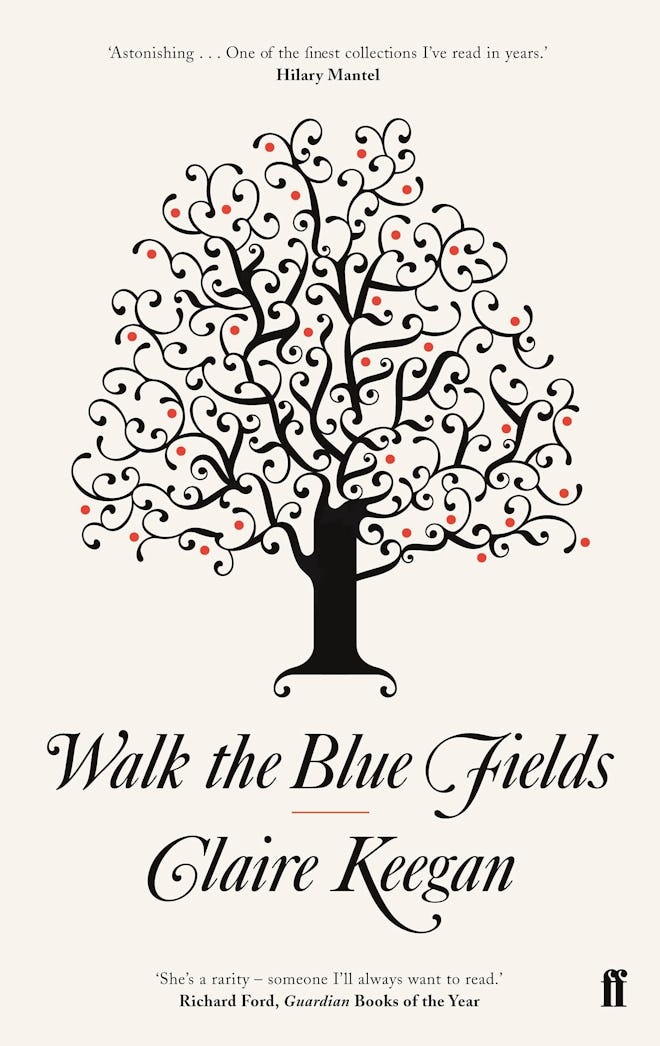
Fans of literary fiction might have encountered Claire Keegan’s recent, stunning novel Small Things Like These, her first book in over a decade. Her previous effort, Walk the Blue Fields, is a spare, melancholy collection of short stories exploring discontentment in the Irish countryside. Some of these stories take on acute traumas, like sexual abuse, but in others, characters are unhappy due to less extreme circumstances that they nevertheless can’t escape. Keegan’s prose is concise and razor-sharp; you can get a sample by reading her (even more heart-breaking) novella “Foster” in The New Yorker.
15
Norwegian Wood

Norwegian Wood is perhaps the most beloved novel by ultra-beloved Japanese novelist Haruki Murakami; first published in Japan in 1987, it established Murakami as a literary star. The novel, which takes place in the 1960s, is narrated in retrospect by Toru Watanabe, who was a student at the time of the book’s events. Throughout, he reflects on his relationships with Naoko, the late girlfriend of his best friend Kizuki, and the more emotionally stable and personable Midori.
16
We Are Not Ourselves

Matthew Thomas’ semi-autobiographical debut novel We Are Not Ourselves caused quite a stir when it was published in 2014 due to the large advance the author received; since then, it’s faded out of the conversation, but it deserves to be listed among the best novels of the past 10 years. This sweeping family saga follows two generations of Irish Americans in Queens, focusing on Eileen Tumulty and her son Connell. The real drama of the novel, though, arises when Eileen’s husband Ed begins showing signs of early-onset Alzheimer’s. Thomas’ depiction of the disease is brutal and unsparing, but his novel refuses to succumb to nihilism or despair.
17
Sing, Unburied, Sing
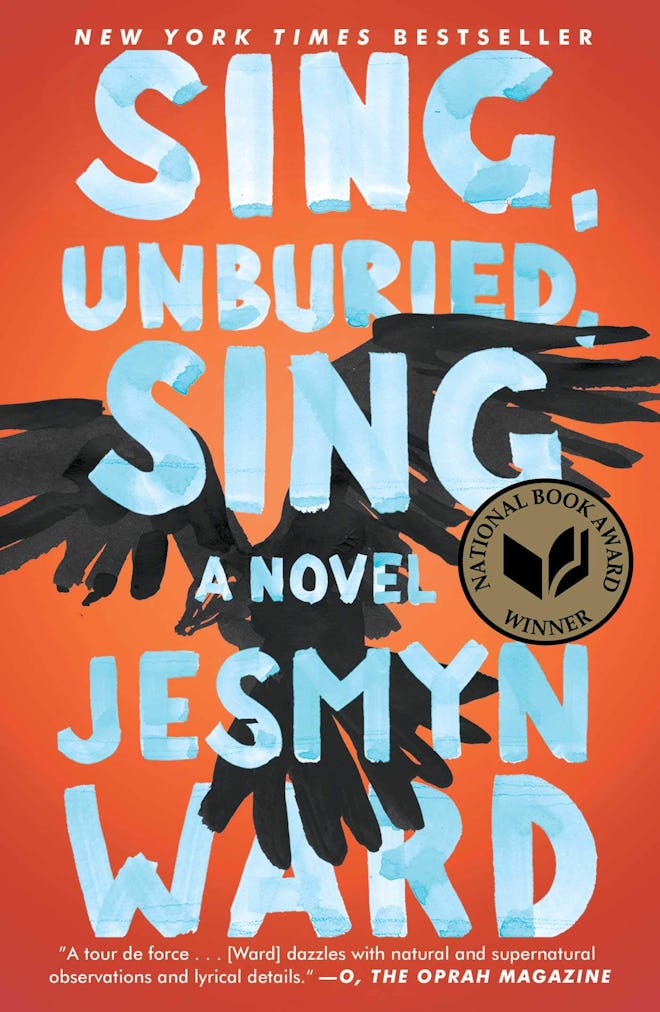
This National Book Award-winning novel by Jesmyn Ward brings together the American family epic — albeit at a much shorter page count than We Are Not Ourselves — and mythical imagery from The Odyssey. Her central characters are members of a poor Black family living in Mississippi’s gulf coast who must undertake an odyssey of their own, while being haunted by the specters of the dead. Ward plays with legend, American history, and more in this brilliant book, but never strays too far from its emotional core: the family at the novel’s center.
18
The Yellow Birds

In this bruising novel, Kevin Powers, an Iraq War veteran and poet, draws on both his wartime experiences and his dexterous use of language to create a beautiful and gutting vision of the war in Iraq, as seen through the eyes of a young American soldier. Young Privates Bartle and Murphy, only teenagers, are ill-equipped to function in a war zone, but have no other choice. The reader senses from the beginning of the novel that things can’t end well, but that doesn’t make the inevitable tragedy any less heart-wrenching.
19
On Earth We’re Briefly Gorgeous

Ocean Vuong, another poet-turned-novelist, doesn’t compromise his artistic vision in this rapturously received work of autofiction. On Earth We’re Briefly Gorgeous is framed as a letter from Little Dog, a young gay Vietnamese man, to his mother, who takes out her own traumas on her son. Despite the novel’s unusual structure and approach, it became an unlikely bestseller when it was published in the summer of 2019, spending six weeks on the New York Times’ bestseller list; evidently, Vuong’s direct, potent writing connected with readers.
20
Transcendent Kingdom

Readers first encountered Yaa Gyasi through her bestselling debut novel Homegoing, a pyrotechnic effort that spanned continents and centuries. Her second novel, Transcendent Kingdom, is less narratively expansive but even more emotionally affecting. The narrator, Gifty, immigrated to Alabama from Ghana with her family as a child and is now pursuing a Ph.D. in neuroscience at Stanford. Gifty spends most of the novel, though, remembering her brother Nana, a once-promising high school athlete who died of a heroin overdose, and reflecting on her difficult relationship with her mother.
21
Crying in H Mart: A Memoir

This memoir by Michelle Zauner, better known as the musician Japanese Breakfast, is at once witty, warm, and sad. In it, she explores her relationship with Korean food and her Korean identity more broadly, as well as how she processed her mother’s diagnosis of terminal pancreatic cancer. This book will make you cry, especially if you’ve lost a parent or another loved one to cancer, but it will also make you smile and laugh — and make you want to start cooking.
