R&R
12 Sleepmaxxing Tips To Steal From Olympians
Athletes share the products, apps, and tips they use to maximize their Zs.

If you’re going to steal sleep tips from anyone, it should be an Olympian. These athletes have their wellness routines locked down, with many waking up at dawn so they can train all day. They’ll run, lift weights, land triple axels, and then somehow get up and do it all over again the next day.
With the 2026 Winter Games in full swing, Bustle reached out to Team USA athletes from across multiple sports — hockey, figure skating, and more — to snag all of their best tips and tricks for getting good sleep, boosting energy, and navigating jet lag. (The games are taking place in Italy.)
There are also tips here from an expert who works closely with Olympians to help them feel their best, even amid nerves and fatigue. Jessica Bartley, senior director of psychological services with the United States Olympics & Paralympics Committee, says when it comes to winning gold, good sleep is just as essential as a grueling training routine.
While these athletes are preparing for elite competition, you can steal their snoozing habits for a regular Monday. Keep scrolling for more of their tips about napping, melatonin, and more.
Get The Nice Pillow
If you want to get the best sleep possible, don’t be afraid to invest in the gear. “We are always working with athletes to find what works best for them,” Bartley tells Bustle. “This year, they get to select a mattress topper based on how firm they want their bed to be. We also gave them a sleep kit that includes an eye mask and earplugs.”
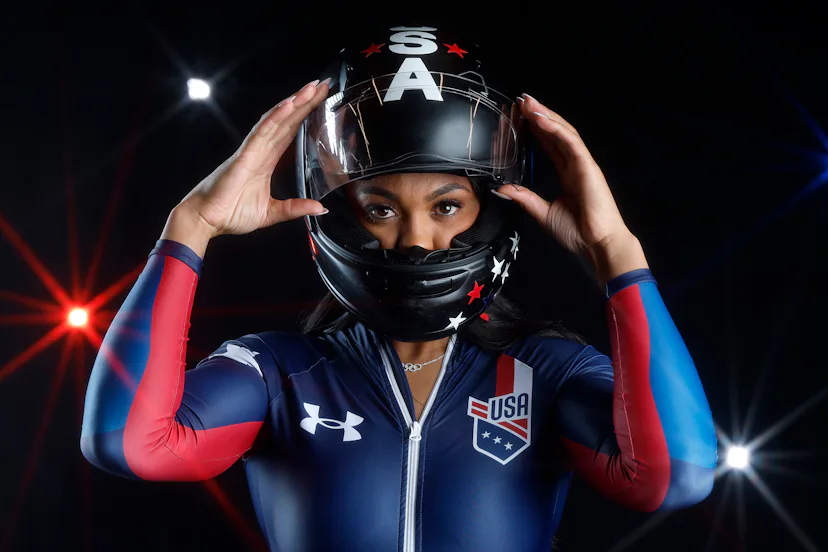
“For me, a good pillow is the make-or-break for my sleep pattern. I use a Saatva pillow,” says bobsledder Kaysha Love.
Take this as your sign to think about what you need, and then do a little shopping.
Sleep Hygiene Is Everything
Many experts recommend practicing “good sleep hygiene,” which means curating a bedtime routine that works for you — and then sticking with it no matter what. It often involves going to bed at the same time every night, making sure your bedroom is cool and dark, and avoiding bright screens before bed. Even while traveling abroad, Olympians like to do the same.
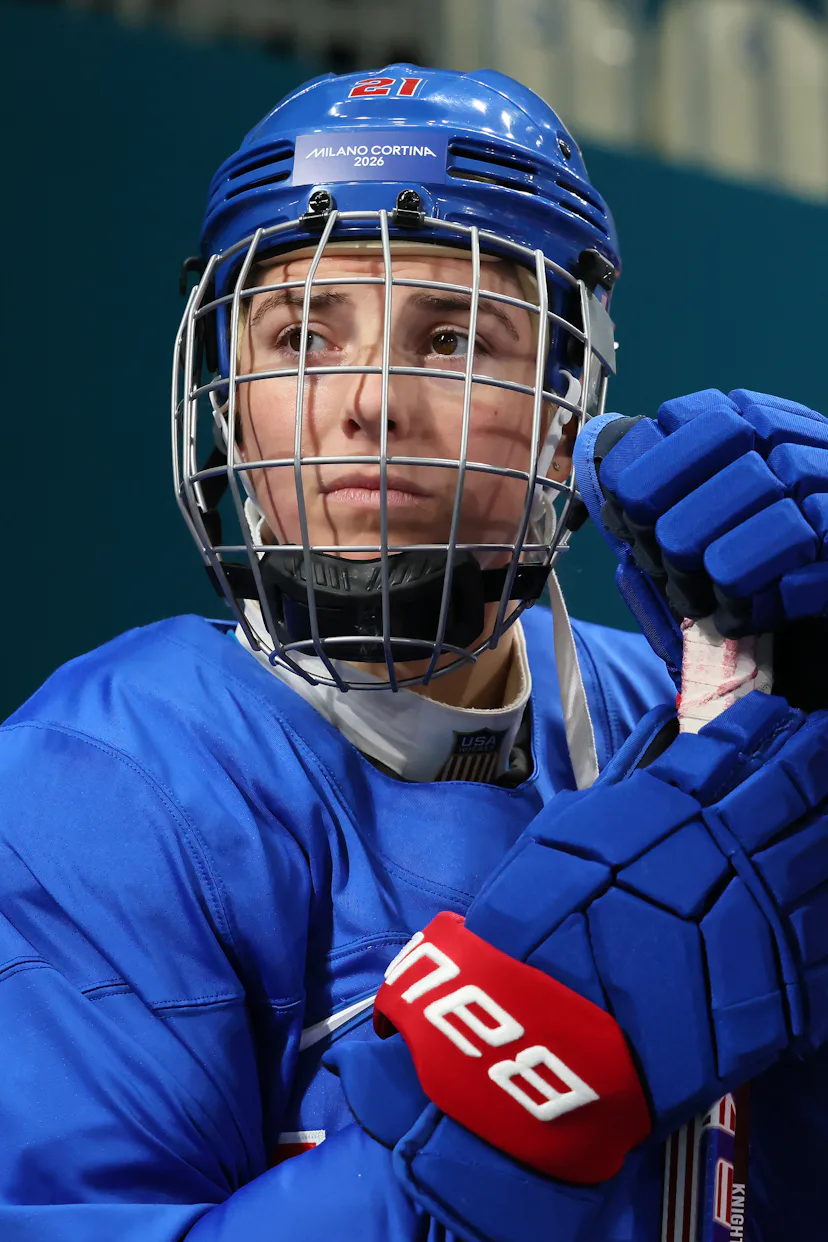
“I try to keep to a similar routine from a timing standpoint, like packing a melatonin for different time zones and changes … to help facilitate [good sleep]. The biggest thing is just trying to find as much consistency when there’s chaos going on all around,” says Hilary Knight, Team USA’s ice hockey captain.
“We also have some rules about caffeine,” Bartley says. “We recommend not drinking it after noon, or 2 p.m. at the latest.”
Take That Nap
Even though they try to sleep well at night, many athletes are open to grabbing a quick snooze whenever they can, and it’s something you can do, too. Think afternoon naps, post-work rests, or a quick moment of shut-eye on a Saturday. Sometimes, even a simple rest is enough to recharge an empty battery.
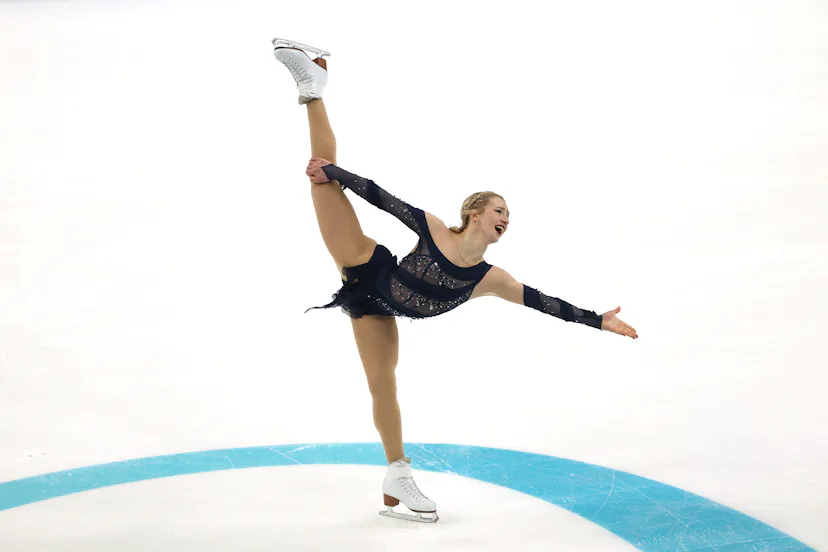
“Honestly, at competitions we often don’t exactly have a ‘normal’ schedule,’ so I end up just sleeping whenever I can,” says Amber Glenn, a figure skater.
For those with a more typical routine, don’t crawl under the covers too close to bedtime. “You don’t want to be interrupting a REM cycle!” Bartley says.
There’s An App For That
It never hurts to have a few sleep-inducing apps on your phone to help you relax, whether it’s a meditation track or a white noise machine. Team USA uses Headspace, an app with audio tracks for sleep and winding down.
Audiobooks might also do the trick. “I like listening to a book from Audible. We just had this crazy 17-day road trip where we were in different locations a lot, and it helped a lot,” Knight says.
A Hot Shower Fixes Everything
Nothing washes away a long, stressful day quite like a hot shower. While Olympians are rinsing off in Milan, you can do the same at home with a pre-bed soak to relax your muscles and your mind, and signal to your body that it’s time to sleep.
Glenn pairs hers with some soothing movement. “I love taking a hot shower and stretching a bit to get my body as relaxed as possible,” she says.
“You can start shifting your sleep prior to an event.”
For figure skater Isabeau Levito, it’s also part of her beauty routine. “Trying to go to bed is so hard after a competition,” she says. “With the adrenaline [pumping], it’s hard to fall asleep right after. I always tell my coaches that I’m so excited to take a nice hot shower after this — because of the hairspray and everything. I get back to my room, turn on a hot shower, then I moisturize, get into bed, and it’s so nice.”
Beat Jet Lag At Its Own Game
Olympic athletes travel a lot for competitions, and they have some pretty solid jet lag tips as a result. Keep these in your back pocket for your next work trip or vacation. (Sadly, adjusting to jet lag does mean skipping a nap.)

“Jet lag is an issue for everybody, but the best way to beat it is by sleeping on the plane. Then, when you land in your new time zone, you need to get right back into a routine,” Love says.
Levito relies on melatonin. “I’ll just take a spray and then go to sleep,” she says.
For hockey player Laila Edwards, timing is everything. “I try to adjust as soon as I can,” she says. “I’ll do whatever helps me calm down, like a bath or reading.”
Bartley also recommends Timeshifter, an app that aims to reduce jet lag by tailoring sleep advice on bedtimes, caffeine, sunlight, and other factors. “You can start shifting your sleep prior to an event and just do it kind of gradually,” she says.
