Money
The "Soft Saving" Money Hack Lets You Have Little Treats
Budgeting doesn't have to be joyless.

While nobody’s saying you shouldn’t save for retirement, it is a bit boring to only think about what your life will look like 40 years from now. You can plan so that the 70-year-old version of yourself gets to sip margaritas on a beach, but what about the version of you right now? She wants a margarita, too.
That’s where soft saving, a TikTok-viral budgeting trend, comes in. According to Nicole Lapin, financial expert, author, and host of the Money Rehab podcast who recently teamed up with PayPal, “soft saving” shifts away from the strict budgeting plans of yesteryear and leans into something more realistic.
Instead of putting every penny you earn towards long-term goals, the idea is to set aside some coin to have some fun in the moment. On TikTok, many hardcore trends eventually take on a soft version. See: the 75 hard challenge versus the 75 soft, which is way less intense. The same idea applies here.
According to Lapin, it’s all about setting up a savings and spending plan that feels a little more doable. You’ll meet your current needs, plan for future goals, and get to treat yourself along the way. Here’s what to know.
What Is Soft Saving?
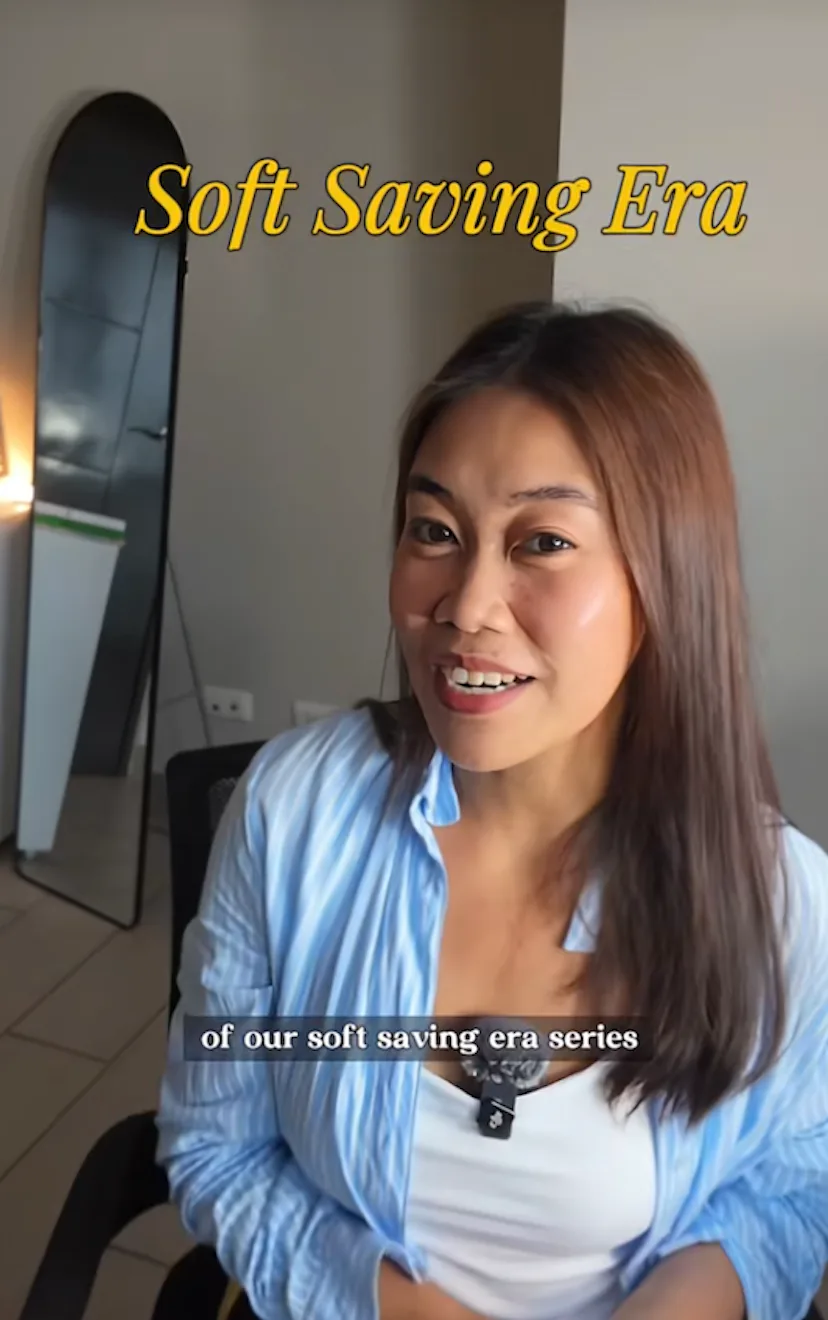
In practice, soft saving looks like covering your essentials — rent, bills, groceries, gas — while making sure some of your hard-earned money goes towards things you can enjoy. “Maybe it is a dinner out, a class you love, or a small monthly treat that keeps you motivated,” Lapin says.
Along with taking care of your essentials, you’ll also set aside money for the future — retirement funds, big financial goals, etc. — but you’ll take a more laidback or “softer” approach, like setting aside 5% of your paycheck versus 20%.
“The key is intention,” Lapin says. “Soft saving doesn’t mean spending freely. It means spending consciously.” It’s about avoiding extremes in either direction so you can maintain the all-important work-life balance. Instead of only thinking about the 70-year-old version of you, you remember that it’s just as important to live life right now.
Why It’s So Popular

Soft saving is so big among millennials and Gen Z because of the effects of inflation and the demographic’s focus on sustainable habits and avoiding burnout.
“Younger generations have seen the toll that stress and aggressive austerity can take,” Lapin says. “They watched their parents deal with all-or-nothing rules around money and instead want an approach that supports their day-to-day quality of life and their long-term stability.”
It’s also tough to think about retirement when you’re younger, especially when there’s a higher cost of living to consider, as well as economic uncertainty, Lapin says. Add it all up, and it makes sense why it’s more appealing to live for the now.
“People are more likely to stay on track when they don’t feel deprived.”
In many ways, soft saving also helps you get into a savings groove. “People are more likely to stay on track when they don’t feel deprived,” she says. Think about how common it is to save and save for months, only to blow it all on a last-minute purchase. “A plan that allows room for fun [along the way] is a plan people can actually follow,” she says.
This approach makes it easier to navigate life’s spendier moments, too, like weddings and holidays. Instead of opting out of these beautiful moments because you’re on a strict, loud budgeting plan, it gives you some wiggle room to relax and enjoy.
How To Start Soft Saving

To start soft saving, Lapin recommends moving money right when you get it. When your paycheck comes in, set up your banking so funds automatically go into an account that covers your essentials, like rent, bills, groceries, and gas.
“Each year, it’s a good idea to reassess your allocation, too,” says Lapin. “If you receive a raise or cost-of-living adjustment at work, you should revisit how much you’re allocating to each bucket accordingly.”
To soft save during pricier moments, like the holidays, Lapin recommends working backwards. Once your essentials are covered, break down what’s left of your paycheck and divide it into weekly amounts, so you know how much you can spend throughout the season. “The added flexibility allows you to manage your budget while keeping cash on hand,” Lapin says.
Are There Any Downsides?

To soft save the right way, don’t get it twisted and think you can spend on anything and everything. According to Lapin, it’s easy for soft saving to turn into lifestyle creep, or the tendency to spend more money as you earn more, and it can also shift into overspending if you don’t track your finances.
It’s important to note, too, that this trend doesn’t mean you aren’t serious about money or your future. “It’s actually the opposite,” she says. “It’s a strategy focused on long-term consistency rather than short-term perfection. People who soft save are still planning for their endgame. They’re just doing it in a way they can maintain and enjoy the money they’re earning within reason.”
Source:
Nicole Lapin, financial expert, author, and host of the Money Rehab podcast
