Color On Rotation
Welcome To The Age Of Blush Wardrobes
A celebrity makeup artist explains how to curate your own.
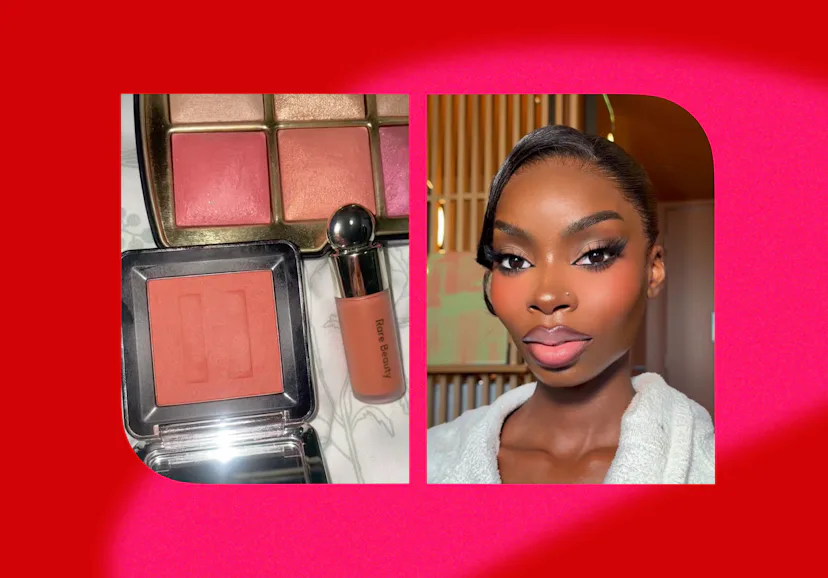
It's been a busy year for blush. Between the never-ending stream of new launches, trends like cherry blossom and “sad beige” flush, and the most recent Twitter debate over who deserves credit for popularizing "transition blush," it’s become one of the most closely watched corners of beauty.
But it’s not just that people are talking about blush more — they’re buying more of it, too. According to IPSY's 2026 Beauty Discovery Report, members of the beauty subscription service purchased $2.1 million worth of blush in 2025 — a 34% increase from the year before. They also bought more blushes per order than ever, signaling a move away from the idea that one is enough.
Welcome to the age of blush wardrobes. Instead of relying on a signature shade, beauty lovers are building collections with different colors, finishes, and formulas that can be rotated, layered, and customized to fit the look at hand. Just as people alternate between jeans, a blazer, and a dress depending on the occasion, each blush serves a different purpose. Think of it as a capsule collection for your cheeks.

"Blush has become the emotional center of makeup," explains celebrity makeup artist and Ciele Cosmetics founder Nikki DeRoest. "Some years ago, everyone was focused on contour and sculpting, but now people are using blush to create mood, warmth, and personality — it's one of the quickest ways to transform your look.”
Ahead, everything to know about the blush boom, from the shades worth owning to the layering techniques driving the trend.
How To Build A Blush Wardrobe
Despite what your TikTok feed might suggest, building a blush wardrobe isn't about buying every new launch. In fact, according to DeRoest, a thoughtfully curated collection only requires a handful of products: "Realistically, three to five shades across a couple of textures can take you through every season, occasion, and mood.”

She recommends starting with a neutral rose shade, which is “incredibly versatile and works year-round," as she puts it. Next, a peach or apricot brings brightness and warmth. To round things out, look for something deeper and richer, whether that’s a berry, terracotta, or plum.
The exact shades will vary depending on your complexion — fair skin tends to suit rosy pinks and cool peaches, medium should lean toward warmer rose and apricot shades, and deeper skin tones can play with berry, brick red, and coral. The general rule of thumb stays the same, though: Build your collection around colors that complement your natural undertones, then vary the depth and intensity from there.
DeRoest also recommends considering beige blushes, like MAC’s True Harmony or Ciele’s Cozy. "They create this really modern, effortless effect that almost acts like a hybrid between blush and contour," she says. "They're understated but incredibly chic."

The last piece of the puzzle? Formula. Blush now comes in virtually every texture imaginable, but DeRoest says most people only need two: a liquid and a powder. Liquids tend to be easier to blend and deliver a more natural-looking flush, while powders offer control and staying power. "Between those two formulas, you can create almost any finish or effect you want," she says. They also happen to be the secret behind the blush layering technique that’s currently taking over social media.
Everyone Is Layering Blushes
Owning multiple blushes is only half the story — people are increasingly wearing several at once. Thanks to celebrity makeup artists like Esther Ngozi, layering has evolved from a backstage technique to a social media staple, with creators combining formulas to create a more seamless, dimensional flush.

“I usually like to start with a liquid or cream formula and then build dimension with a powder on top,” explains DeRoest. “Apply the liquid blush higher on the cheekbones and blend upward, then lightly dust powder blush over the highest points of the cheeks.”
Together, the two deliver exactly the kind of blurred, soft-focus finish that makeup lovers today are looking for. “Instead of anything overly matte or dewy, people want skin to look like skin — just healthier and more balanced,” says DeRoest.
However, more isn’t always more when it comes to layering. DeRoest recommends sticking within the same color family and varying texture rather than piling on multiple competing shades. And her biggest tip? Letting each layer settle before applying the next. Otherwise, a very wet flush can lift a heavily powdered base, leaving behind patchiness. As she puts it: “The goal is dimension, not confusion.”


